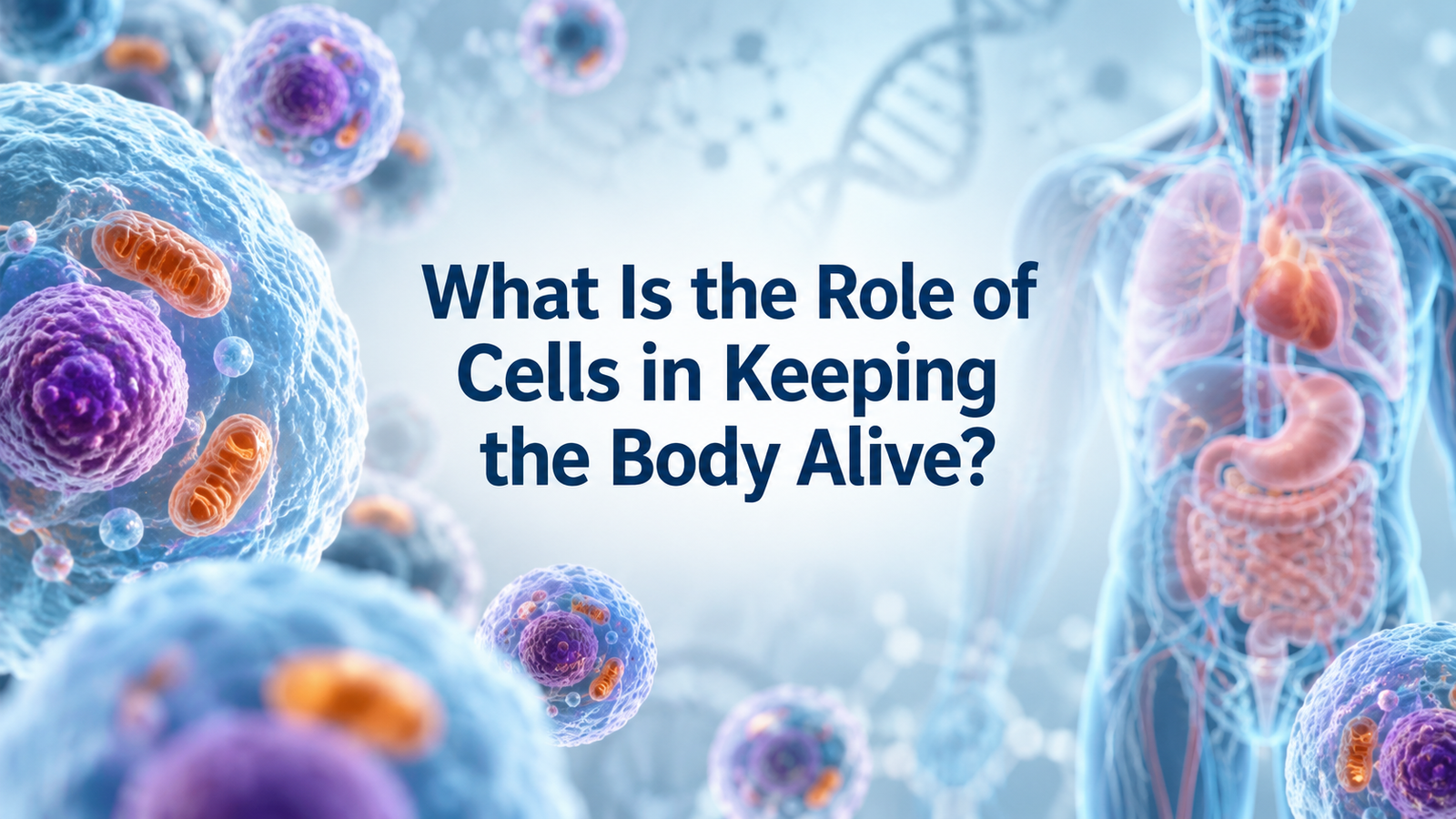
The human body is an amazing system that performs thousands of activities every second. We breathe, move, think, eat, sleep, and grow without paying much attention to what happens inside us. Behind all these activities are tiny living structures called cells. Although cells are too small to see without a microscope, they are responsible for almost everything that keeps the human body alive.
Understanding the role of cells in the human body helps us learn how our organs function, how we receive energy, and how our bodies repair damaged tissues. Every heartbeat, every breath, and every movement depends on cells working together.
Cells are often described as the basic building blocks of life. However, their importance goes far beyond simply forming the structure of the body. They perform essential functions that allow humans to survive, develop, and maintain good health.
What Are Cells in the Human Body?
Cells are the smallest structural and functional units of living organisms. Every part of the human body contains cells, including the skin, muscles, bones, blood, brain, and internal organs.
The human body contains trillions of cells, and each cell has a specific role depending on its location and type.
Some cells help transport oxygen, while others support movement, protect against infections, or carry information through the nervous system.
Most human cells contain important structures such as the cell membrane, cytoplasm, and nucleus.
The cell membrane surrounds the cell and controls the movement of substances entering and leaving it. Cytoplasm contains the materials and structures needed for many cellular activities. The nucleus, present in most human cells, contains genetic information that helps control cell functions.
These structures work together to support the survival and normal activities of cells.
Why Are Cells Important for Human Life?
The importance of cells becomes clear when we examine how the body operates.
Every major function of the human body depends on cellular activity. Cells obtain nutrients, produce energy, remove waste materials, and communicate with other cells.
They also help maintain the body’s internal environment.
For example, cells in the lungs help oxygen enter the bloodstream, while cells in the digestive system assist with absorbing nutrients from food.
Muscle cells make movement possible, and nerve cells transmit messages between different parts of the body.
Without these specialized activities, the human body would not be able to function.
This is why healthy cells are essential for maintaining life.
How Do Cells Produce Energy for the Body?
One of the most important functions of cells is producing energy.
The human body needs energy for breathing, circulation, digestion, movement, and maintaining body temperature.
Cells obtain energy from nutrients found in the foods we eat.
Carbohydrates, fats, and proteins can provide materials that the body uses to produce energy.
Inside most cells, structures called mitochondria play a major role in energy production.
Through a process known as cellular respiration, cells convert energy from nutrients into a usable form called adenosine triphosphate, commonly known as ATP.
ATP provides energy for many cellular activities.
For example, muscle cells use ATP during movement, while nerve cells require energy to maintain the conditions needed for sending signals.
Even when a person is resting, cells continue producing and using energy to keep essential body functions active.
How Do Cells Help the Body Grow?
Human growth depends on the production and development of cells.
From the earliest stages of life, cells multiply through a process called cell division.
During this process, one cell divides to produce new cells.
Cell division allows the body to increase in size and develop tissues and organs.
As children grow, their bodies produce new cells to support the development of bones, muscles, skin, and other tissues.
Cells also become specialized through a process called cell differentiation.
This means that developing cells acquire particular structures and functions.
For example, some cells develop into muscle cells, while others become nerve cells or cells that form the lining of organs.
Growth is therefore not simply an increase in body size. It is a carefully controlled process involving cell division, development, and specialization.
How Do Cells Repair Damaged Tissues?
The human body experiences small injuries and natural wear during everyday activities.
Cells play an important role in repairing this damage.
When the skin is cut, the body begins a healing process involving several types of cells.
Blood platelets help form a clot that reduces bleeding. Immune cells help protect the injured area against harmful microorganisms.
Other cells participate in producing new tissue and rebuilding damaged structures.
Skin cells divide and help restore the protective surface of the body.
A similar process occurs when tissues recover from certain injuries.
However, not every type of cell has the same ability to regenerate.
For example, many skin cells are regularly replaced, while some nerve cells have limited regenerative capacity.
The body’s ability to repair tissues depends on the type of injury, the affected cells, and overall health.
How Do Cells Protect the Body Against Diseases?
The immune system depends on specialized cells that defend the body against infections.
White blood cells are among the most important cells involved in immune protection.
They help identify and respond to harmful microorganisms such as bacteria, viruses, and fungi.
Different types of white blood cells perform different tasks.
Some immune cells surround and destroy invading microorganisms. Others help coordinate immune responses or produce antibodies.
Certain immune cells can also remember previously encountered pathogens, allowing the body to respond more effectively during future exposure.
This ability is one of the reasons vaccination can provide protection against specific diseases.
Healthy immune cell function is essential for defending the body against infections and supporting recovery.
What Is the Role of Blood Cells?
Blood contains several important cellular components that support human survival.
Red blood cells transport oxygen from the lungs to tissues throughout the body.
They contain hemoglobin, a protein that binds oxygen and helps carry it through the bloodstream.
Body cells need oxygen for many energy producing processes.
White blood cells support immune defense, while platelets help control bleeding.
Platelets are actually small cell fragments rather than complete cells, but they perform an essential function in blood clotting.
Together, these components help maintain circulation, oxygen delivery, and protection against injury and infection.
How Do Nerve Cells Control Body Activities?
Nerve cells, also called neurons, are specialized cells that transmit information throughout the nervous system.
They allow communication between the brain, spinal cord, and different parts of the body.
When a person touches a hot object, sensory neurons carry information toward the central nervous system.
The nervous system processes the information and can send signals through other neurons to activate muscles.
This allows the body to respond quickly to potential danger.
Neurons are also involved in memory, learning, emotions, movement, and sensory experiences.
The ability to see, hear, smell, taste, and feel depends on specialized sensory cells and communication pathways within the nervous system.
Without properly functioning nerve cells, the body would struggle to coordinate many essential activities.
How Do Muscle Cells Support Movement?
Movement is another important function made possible by specialized cells.
Muscle cells contain proteins that allow them to contract and generate force.
The human body contains three main types of muscle tissue.
Skeletal muscles help move the arms, legs, and other body parts.
Cardiac muscle forms the muscular walls of the heart and produces contractions that pump blood throughout the body.
Smooth muscle is found in structures such as blood vessels, the digestive tract, and certain internal organs.
These muscles perform different activities, but all depend on healthy cellular function.
For example, smooth muscle helps move food through the digestive system, while cardiac muscle maintains blood circulation.
Muscle cells also require a continuous supply of energy and nutrients to perform their tasks effectively.
How Do Cells Help Digest Food?
Digestion allows the body to break food into smaller substances that can be absorbed and used.
Cells lining the digestive system play an important role in this process.
Certain stomach cells produce acid and substances involved in digestion.
Other specialized cells release digestive enzymes that help break down carbohydrates, proteins, and fats.
In the small intestine, epithelial cells absorb many nutrients from digested food.
These nutrients enter the bloodstream or lymphatic system and are transported to different parts of the body.
Cells then use the absorbed nutrients for energy production, growth, repair, and other essential functions.
This connection between digestion and cellular activity explains why balanced nutrition is important for maintaining health.
How Do Cells Remove Waste From the Body?
Cellular activities naturally produce waste substances.
If these substances accumulate excessively, they can interfere with normal body functions.
Cells help manage waste through several processes.
Carbon dioxide produced during cellular respiration moves from tissues into the blood and is eventually removed through the lungs.
The liver contains specialized cells that process many substances, including certain medications and metabolic waste products.
Kidney cells help filter blood, recover useful substances, and regulate the removal of waste through urine.
Inside cells, structures such as lysosomes help break down and recycle certain materials.
These processes support a stable internal environment and allow cells to continue functioning properly.
How Do Cells Communicate With Each Other?
Cells do not function independently. They constantly exchange information with surrounding cells and distant tissues.
Cell communication allows different organs and systems to coordinate their activities.
Some cells release chemical messengers called hormones.
Hormones travel through the bloodstream and influence specific target cells.
For example, insulin helps regulate blood glucose levels by signaling cells to respond to glucose availability.
Other cells communicate through direct contact or local chemical signals.
Nerve cells use electrical and chemical signals to transmit information rapidly.
These communication systems help regulate growth, metabolism, immune responses, and many other activities.
Effective cellular communication is essential for keeping the body organized and functioning as a complete system.
How Do Cells Maintain Balance Inside the Body?
The human body must maintain relatively stable internal conditions despite changes in the external environment.
This process is known as homeostasis.
Cells play a central role in maintaining homeostasis by responding to changes in temperature, nutrients, oxygen, and chemical concentrations.
For example, cells help regulate the movement of water and minerals across their membranes.
Specialized cells in the kidneys participate in controlling fluid and electrolyte balance.
Other cells respond to hormonal signals that influence blood glucose levels.
Cells also rely on carefully regulated internal conditions to maintain their own functions.
When these systems work properly, the body can adapt to everyday changes while protecting essential biological processes.
What Happens When Cells Stop Working Properly?
Healthy cell function is necessary for the proper operation of tissues and organs.
When cells become damaged or malfunction, different health problems may develop.
Infections, harmful chemicals, nutritional deficiencies, genetic changes, and certain environmental conditions can interfere with cellular activities.
Sometimes damaged cells repair themselves. In other situations, cells may undergo a controlled process of death called apoptosis.
Apoptosis helps the body remove cells that are no longer needed or may be harmful.
However, uncontrolled cell growth can contribute to the development of cancer.
Other diseases may involve cell damage, inflammation, or problems with cellular communication.
Understanding how cells function helps scientists and healthcare professionals study disease processes and develop treatments.
How Can We Support Healthy Cell Function?
Although many cellular processes happen automatically, everyday habits can influence the conditions in which cells function.
A balanced lifestyle supports the body’s normal biological activities.
Eating a variety of nutritious foods provides vitamins, minerals, proteins, healthy fats, and other nutrients required for cellular processes.
Drinking sufficient water supports fluid balance and the transportation of nutrients and waste substances.
Regular physical activity benefits circulation, metabolism, and muscle function.
Adequate sleep also supports tissue maintenance, immune regulation, and other processes involved in recovery.
Avoiding tobacco, limiting exposure to harmful substances, and following recommended preventive healthcare practices can further protect overall health.
No single food or habit can guarantee perfectly healthy cells. Instead, consistent healthy choices help the body’s systems function effectively over time.
Frequently Asked Questions About Cells
What is the main function of cells in the human body?
The main function of cells is to carry out the biological activities necessary for life. These include producing energy, absorbing nutrients, removing waste, supporting growth, and maintaining normal body functions.
How many cells are present in the human body?
The human body contains approximately 30 trillion human cells, although the actual number varies with age, body size, and other biological factors.
Can the human body survive without cells?
No. Cells are the basic functional units of the human body. All tissues and organs depend on living cells to perform essential activities.
Do all cells perform the same function?
No. Different types of cells are specialized for particular tasks. Red blood cells transport oxygen, nerve cells transmit information, and muscle cells produce movement.
Why is cell health important?
Healthy cells allow tissues and organs to function properly. When cellular activities are disrupted, the body’s ability to maintain normal biological processes may be affected.
Conclusion
Cells are the foundation of human life. Although they are microscopic, their activities support every major function of the body.
From producing energy and transporting oxygen to fighting infections and repairing damaged tissues, the role of cells in keeping the body alive is both essential and remarkable.
Different types of cells perform specialized tasks, but they must work together to maintain the body’s health and stability.
Learning about cells provides a clearer understanding of how the human body grows, responds to its environment, and continues functioning throughout life.