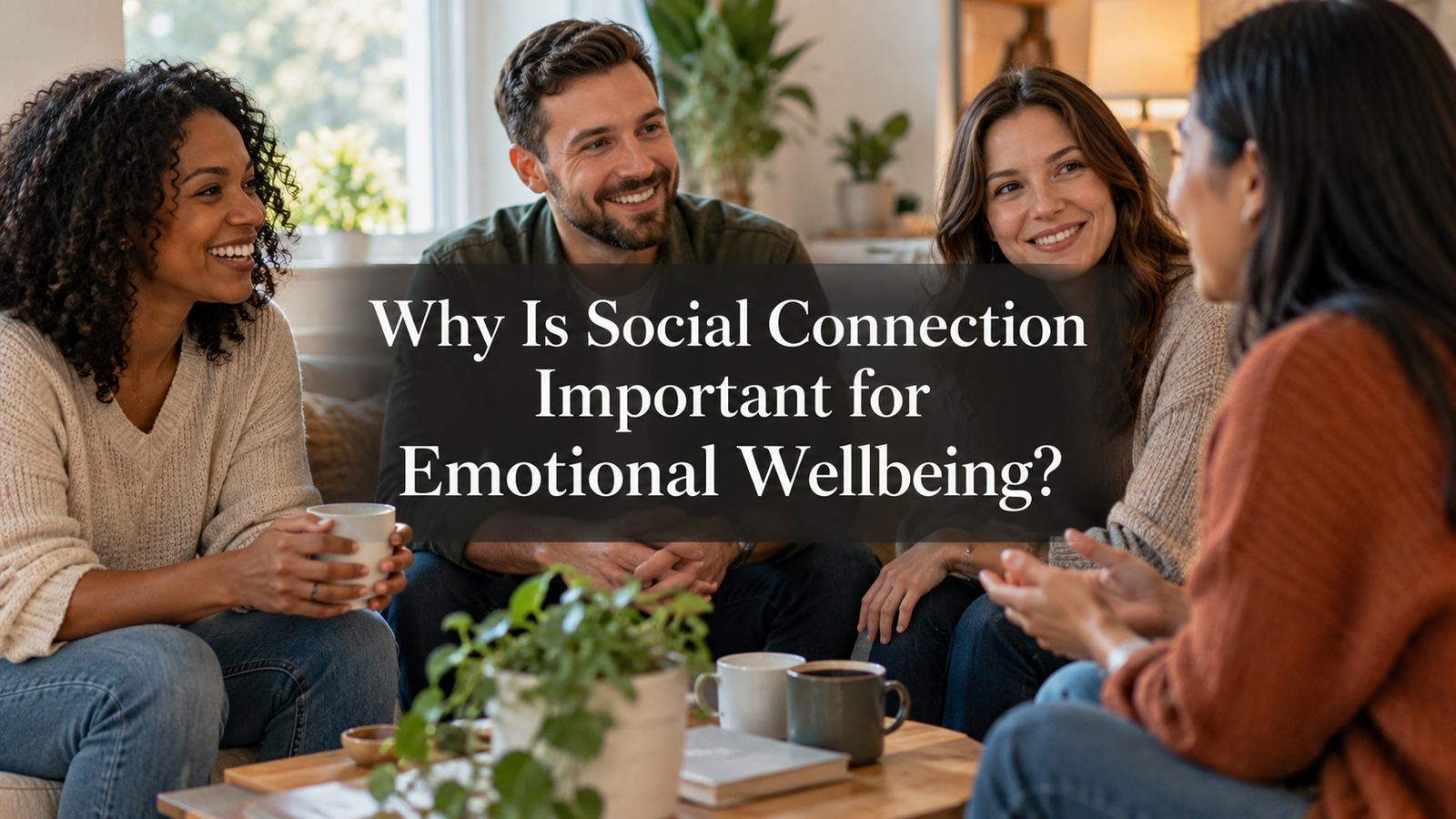
Social connection is one of the most important parts of a healthy and satisfying life. Human beings naturally need relationships, communication, and a sense of belonging. From childhood to old age, people depend on others for emotional support, learning, encouragement, and companionship. Although everyone has different social needs, meaningful relationships can make daily life more enjoyable and emotionally balanced.
In modern society, people often focus on physical health, financial success, education, and career development. However, emotional wellbeing is equally important. A person may have a comfortable home, a successful career, and access to modern technology but still experience loneliness if meaningful relationships are missing.
Understanding why social connection is important for emotional wellbeing helps us recognize the value of friendships, family relationships, community participation, and healthy communication.
Social connection is not simply about knowing many people. It is about feeling understood, respected, valued, and supported by others.
What Is Social Connection?
Social connection refers to the relationships and interactions that create a feeling of belonging between individuals. These connections may develop through family, friendships, workplaces, schools, neighborhoods, or community activities.
A strong social connection usually involves trust, understanding, communication, and mutual respect. It allows people to share experiences, express feelings, and receive support during difficult situations.
For example, talking with a close friend after a stressful day can provide emotional relief. Spending time with family members may create comfort and security. Participating in community activities can help individuals feel that they are part of something meaningful.
Social connection does not require constant communication. Even a small number of trusted relationships can contribute significantly to emotional wellbeing.
The quality of relationships is often more important than the number of people someone knows.
Understanding Emotional Wellbeing
Emotional wellbeing describes a person’s ability to understand feelings, manage everyday challenges, maintain positive relationships, and experience satisfaction in life.
It does not mean feeling happy all the time. Sadness, anger, disappointment, and worry are normal human emotions. Emotional wellbeing involves recognizing these feelings and responding to them in healthy ways.
People with good emotional wellbeing often find it easier to communicate their needs, manage stress, and recover from challenging experiences.
Social relationships play an important role in this process because human emotions are influenced by the environment and the people around us.
Supportive connections can create emotional stability, while ongoing conflict, rejection, or isolation may contribute to psychological distress.
How Social Connection Supports Emotional Wellbeing
1. Social Connection Helps Reduce Feelings of Loneliness
Loneliness occurs when a person feels that their social relationships do not provide the connection they need.
Someone can feel lonely even when surrounded by people. Similarly, a person who spends considerable time alone may feel emotionally satisfied if they have meaningful relationships.
Regular communication with trusted individuals helps reduce feelings of isolation.
Simple activities such as sharing a meal, visiting relatives, speaking with friends, or participating in group discussions can strengthen a sense of belonging.
When individuals feel connected to others, they are more likely to believe that their experiences and feelings matter.
This emotional reassurance can make everyday challenges easier to manage.
2. Healthy Relationships Help Manage Stress
Stress is a natural response to demanding situations. Work responsibilities, financial concerns, family problems, and unexpected changes can create emotional pressure.
Social support can help individuals cope with these situations.
For example, discussing a difficult problem with someone trustworthy may provide a different perspective. Sometimes, receiving understanding and encouragement is more valuable than receiving immediate advice.
Supportive conversations may help people feel calmer and less overwhelmed.
Positive social interactions can also influence the body’s stress response. Research suggests that supportive relationships may help regulate physiological stress reactions.
However, relationships are not a substitute for professional care when stress becomes severe or persistent.
3. Social Relationships Create a Sense of Belonging
Belonging is a basic human psychological need.
People generally want to feel accepted and included in families, friendships, and communities.
When individuals experience genuine acceptance, they may develop greater confidence and emotional security.
A student who feels included in classroom activities may participate more comfortably. An employee who feels respected by colleagues may experience greater satisfaction at work.
Similarly, older adults who maintain meaningful connections often have more opportunities for companionship and emotional support.
A sense of belonging reminds people that they are not facing life’s experiences entirely alone.
The Role of Family in Emotional Wellbeing
Family relationships are often among the earliest social connections people experience.
During childhood, supportive family interactions help children develop trust, emotional understanding, and communication skills.
Parents and caregivers provide opportunities for children to learn how to express feelings and respond to others.
As people grow older, family relationships may continue to offer encouragement, companionship, and practical assistance.
For example, family members may support one another during illness, educational challenges, financial difficulties, or important life decisions.
However, family relationships are not always positive. Conflict, criticism, and unhealthy expectations can negatively affect emotional wellbeing.
The greatest emotional benefits come from relationships built on safety, respect, empathy, and healthy boundaries.
A supportive family environment allows individuals to express themselves without constant fear of judgment.
Why Friendships Matter for Mental and Emotional Health
Friendships provide opportunities for personal expression, shared interests, and emotional support.
Unlike many family relationships, friendships are usually developed through personal choice and common experiences.
A trusted friend may offer encouragement during disappointment, celebrate achievements, or simply provide enjoyable companionship.
Friendships also help individuals understand different perspectives.
Through conversations and shared experiences, people can develop patience, empathy, and communication skills.
For teenagers and young adults, friendships may play an important role in developing identity and independence.
For adults, friendships can provide emotional support outside professional and family responsibilities.
Maintaining friendships requires effort, honesty, and mutual consideration. Even occasional meaningful conversations can help preserve strong emotional bonds.
How Social Connection Influences Brain and Emotional Health
The relationship between social connection and the brain is an important area of psychological and scientific research.
Human beings have developed complex systems for understanding social signals, recognizing emotions, and forming relationships.
Positive interactions can involve brain processes associated with reward, emotional regulation, and social bonding.
For example, enjoyable conversations and supportive physical contact may influence chemical messengers involved in mood and attachment.
Oxytocin is one hormone associated with certain forms of social bonding, although its effects depend on the situation and individual.
Social experiences can also influence how people respond to stressful events.
Feeling supported may reduce the emotional burden of difficult circumstances.
On the other hand, prolonged social isolation and loneliness have been associated with increased risks of several mental and physical health problems.
These findings demonstrate that meaningful relationships are closely connected with overall health.
Social Connection and Self Esteem
Self esteem refers to how individuals value and perceive themselves.
Supportive relationships may contribute to healthier self esteem by providing encouragement, acceptance, and constructive feedback.
When people feel respected, they may become more confident in expressing opinions and pursuing personal goals.
For example, a teacher who recognizes a student’s effort may strengthen the student’s motivation.
Similarly, a friend who offers sincere encouragement during a difficult period may help restore confidence.
However, emotional wellbeing should not depend entirely on approval from others.
Healthy self esteem also involves personal values, realistic expectations, and self acceptance.
The most beneficial relationships encourage individuality rather than demanding constant agreement.
The Importance of Social Connection During Difficult Times
Life includes experiences that can challenge emotional stability.
Losing employment, experiencing illness, facing academic pressure, or dealing with family difficulties can create uncertainty.
During these periods, supportive relationships become especially valuable.
People who have trusted individuals available may find it easier to discuss concerns and seek practical assistance.
For instance, someone experiencing work related stress may benefit from talking to a colleague who understands the situation.
A person recovering from illness may appreciate regular conversations and companionship.
Social support does not eliminate every problem, but it can make challenging experiences feel more manageable.
Knowing that help is available can provide emotional reassurance.
Can Social Isolation Affect Emotional Wellbeing?
Social isolation occurs when individuals have limited social contact or participation.
It is different from loneliness because isolation describes a person’s level of contact, while loneliness describes the emotional experience of insufficient connection.
Some people enjoy solitude and use quiet time for relaxation, creativity, or reflection.
However, prolonged unwanted isolation may contribute to emotional difficulties.
Research has linked social isolation and loneliness with increased risks of depression, anxiety, and other health concerns.
People experiencing isolation may have fewer opportunities to share problems, receive encouragement, or participate in enjoyable activities.
Recognizing these challenges is important, especially among older adults, people living alone, and individuals experiencing major life changes.
Social Media and Emotional Connection
Technology has changed how people communicate.
Social media platforms, messaging applications, and video calls allow individuals to maintain relationships across long distances.
These tools can be particularly helpful for families living in different countries or friends who cannot meet regularly.
Online communities may also provide a sense of belonging through shared interests and experiences.
However, digital communication does not always create meaningful emotional connections.
Excessive comparison, negative interactions, and pressure to gain online approval may affect emotional wellbeing.
A healthy approach involves using technology to strengthen genuine relationships rather than focusing only on numbers of followers or online attention.
Meaningful communication matters more than constant digital activity.
How to Build Stronger Social Connections
Building healthy relationships does not require a large social circle.
Small, consistent efforts can create meaningful improvements in emotional wellbeing.
One useful approach is making time for regular conversations with trusted people. Listening carefully and showing genuine interest can strengthen emotional bonds.
Participating in community activities also creates opportunities to meet others.
Educational programs, sports, volunteering, and hobby groups may help individuals develop friendships through common interests.
Another important practice is expressing appreciation.
Thanking someone for their support or acknowledging their efforts can make relationships more positive.
Healthy boundaries are equally necessary. Respecting personal space, accepting differences, and communicating expectations help relationships remain balanced.
Most importantly, meaningful connections develop gradually through trust and consistent behavior.
Why Quality Matters More Than Quantity in Relationships
Having hundreds of contacts does not automatically guarantee emotional satisfaction.
Some individuals maintain many social relationships but still feel misunderstood or unsupported.
Others have only a few close friends and experience a strong sense of belonging.
This difference highlights the importance of relationship quality.
Healthy relationships generally include mutual respect, emotional safety, honesty, and understanding.
People should feel comfortable sharing their thoughts without facing constant criticism or humiliation.
Strong connections also allow individuals to maintain independence.
A healthy friendship or family relationship should support personal growth rather than create unnecessary pressure.
Choosing meaningful interactions over superficial social contact can contribute to greater emotional satisfaction.
Social Connection at Different Stages of Life
Social needs change as people move through different stages of life.
Children benefit from positive relationships that help develop emotional awareness and social skills.
Teenagers often seek friendship, acceptance, and opportunities to establish independence.
Adults may rely on relationships for companionship, encouragement, and support while managing work and family responsibilities.
Older adults may experience changes in social networks due to retirement, relocation, or the loss of loved ones.
Maintaining connections during these transitions can support emotional wellbeing.
Although the type of relationship may change, the need for understanding, respect, and belonging remains important throughout life.
Frequently Asked Questions
Why is social connection important for emotional wellbeing?
Social connection provides emotional support, reduces loneliness, strengthens belonging, and helps people manage everyday stress. Meaningful relationships can contribute to emotional stability and greater life satisfaction.
Can a person maintain emotional wellbeing with only a few friends?
Yes. Emotional wellbeing does not require a large social circle. A few trustworthy and supportive relationships may provide meaningful emotional connection.
How can social connection improve mental health?
Supportive relationships may help reduce feelings of isolation, encourage healthy coping, and provide opportunities to discuss emotional challenges. However, social support does not replace professional mental health treatment when needed.
Is spending time alone harmful?
No. Solitude can support relaxation, creativity, and personal reflection. Problems are more likely when isolation is unwanted, prolonged, or accompanied by significant loneliness.
What are simple ways to improve social relationships?
Regular communication, active listening, shared activities, expressing appreciation, and respecting personal boundaries can help improve relationships over time.
Conclusion
Social connection is an essential part of emotional wellbeing because human beings benefit from understanding, companionship, and a sense of belonging.
Healthy relationships can help reduce loneliness, support emotional regulation, strengthen confidence, and make challenging experiences easier to manage.
Family relationships, friendships, community participation, and meaningful communication all contribute to social wellbeing.
However, the value of social connection depends more on emotional quality than the number of relationships.
Developing supportive connections requires patience, respect, and consistent effort. Even small actions, such as listening to a friend or spending meaningful time with family, can strengthen emotional bonds.
By giving relationships appropriate attention, individuals can create a healthier balance between personal independence and social belonging.