Mosquitoes are small insects that can cause serious health problems around the world. Most people recognize mosquitoes because of their irritating bites and the itching that follows. However, these insects can do much more than disturb our sleep or cause discomfort. Some mosquitoes can carry harmful viruses and parasites that cause dangerous diseases in humans.
Understanding how mosquitoes transmit diseases to humans is important for protecting individual health and improving public safety. Mosquitoes are responsible for spreading several infectious diseases, including malaria, dengue fever, Zika virus disease, chikungunya, and yellow fever.
Although millions of mosquitoes exist in different environments, not every mosquito carries disease. Only certain species can transmit particular infections, and a mosquito must usually become infected before it can spread a pathogen.
Learning about mosquito transmission, the mosquito life cycle, and effective prevention methods can help people reduce their chances of becoming infected.
What Are Mosquitoes?
Mosquitoes are small flying insects that belong to the family Culicidae. They are found in many parts of the world, particularly in warm and humid environments.
There are thousands of mosquito species, but only some are responsible for transmitting diseases to humans.
Mosquitoes usually develop in places where water remains standing. Ponds, water containers, blocked drains, discarded tires, and other areas containing stagnant water can provide suitable breeding environments.
Female mosquitoes generally require blood meals to obtain nutrients needed for egg development. Male mosquitoes do not bite humans because they feed mainly on nectar and other plant sugars.
Female mosquitoes also consume plant sugars, but many species take blood meals from humans or animals.
This feeding behavior creates opportunities for infectious microorganisms to move between mosquitoes and human hosts.
How Do Mosquitoes Transmit Diseases to Humans?
Mosquitoes transmit diseases through a biological process involving infected mosquitoes, disease causing microorganisms, and human blood.
When a female mosquito bites an infected person, it may ingest blood containing a virus or parasite.
If the mosquito species is capable of transmitting that particular pathogen, the microorganism may survive and develop or multiply inside the mosquito.
After an appropriate period, the pathogen can reach the mosquito’s salivary glands.
When the infected mosquito bites another person, it releases saliva into the skin while feeding. Infectious microorganisms present in the saliva may enter the person’s body.
Once inside the human body, these microorganisms can begin an infection.
This process is known as mosquito borne disease transmission.
Importantly, pathogens are not usually spread by the mosquito simply carrying infected blood from one person to another. They must typically undergo specific biological changes inside a suitable mosquito before transmission becomes possible.
Why Do Mosquitoes Bite Humans?
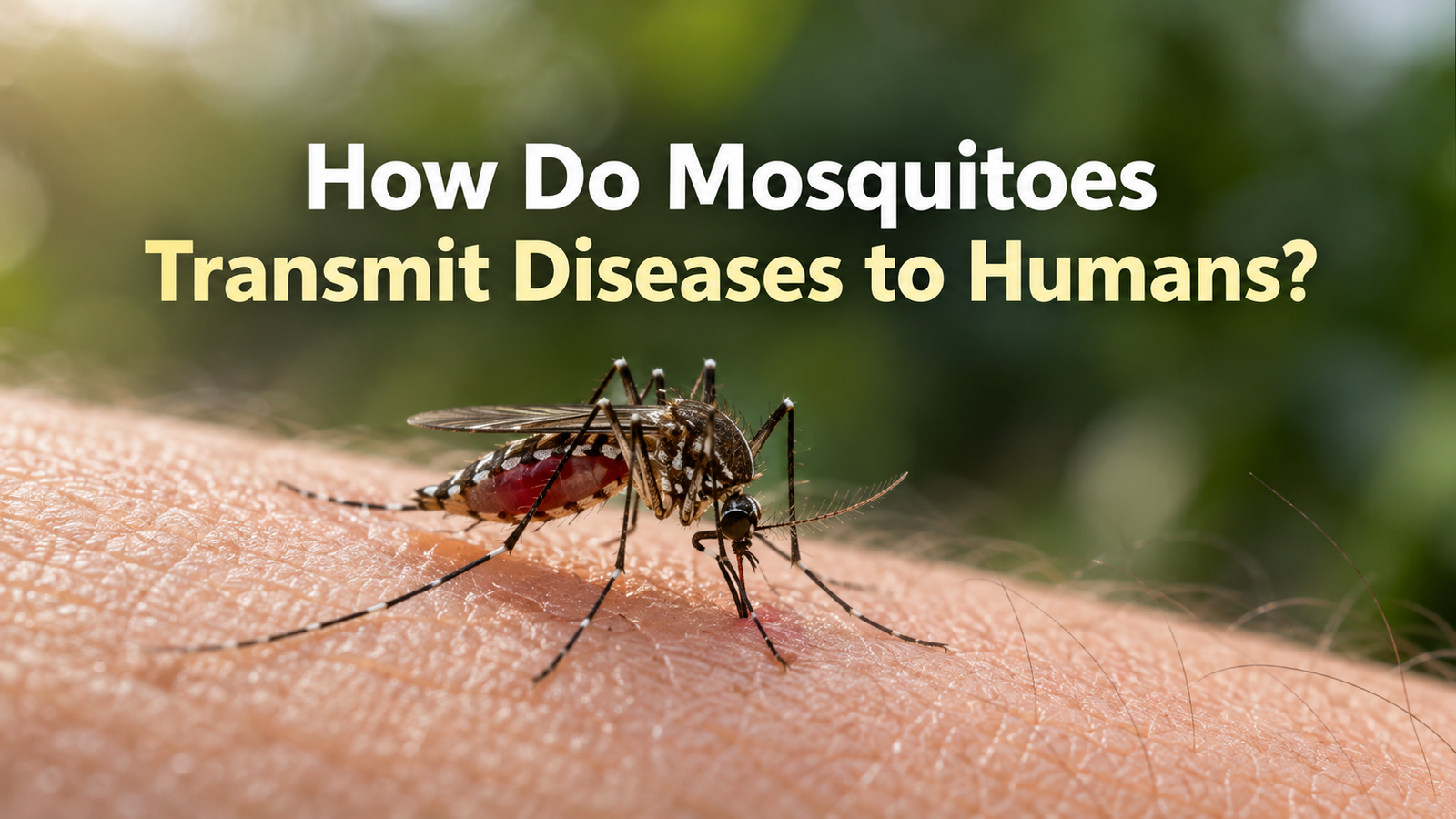
Mosquitoes bite humans mainly because female mosquitoes need nutrients from blood to produce eggs.
They locate potential hosts by detecting several environmental signals.
Carbon dioxide released during breathing is one important signal. Mosquitoes can also respond to body heat, skin odors, moisture, and certain chemicals produced by the human body.
After identifying a suitable host, the mosquito lands on exposed skin and inserts its specialized mouthparts.
These mouthparts allow the insect to access small blood vessels beneath the skin.
During feeding, the mosquito releases saliva containing substances that help it obtain blood.
The body’s immune response to components of mosquito saliva causes the familiar itching, redness, and swelling associated with mosquito bites.
Most mosquito bites cause only temporary irritation. However, bites from infected mosquitoes can introduce harmful pathogens.
What Happens Inside a Mosquito After It Becomes Infected?
The internal development of a pathogen is an important part of mosquito borne disease transmission.
When a mosquito consumes infected blood, the microorganisms enter its digestive system.
Depending on the pathogen, it may multiply or undergo developmental changes inside the mosquito.
For example, malaria parasites must complete several stages of development before reaching the mosquito’s salivary glands.
Viruses such as dengue generally multiply within mosquito tissues before they can be transmitted through saliva.
This process takes time and is influenced by factors such as temperature, mosquito species, and the particular microorganism.
The mosquito may remain capable of transmitting the infection for much of its remaining life.
However, mosquitoes do not automatically become infectious after feeding on an infected person. Successful transmission depends on several biological conditions.
What Diseases Can Mosquitoes Transmit?
Mosquitoes are associated with several major infectious diseases. Each disease has its own cause, symptoms, geographical distribution, and health risks.
1. Malaria
Malaria is a serious infectious disease caused by parasites belonging to the genus Plasmodium.
It is primarily transmitted to humans through bites from infected female Anopheles mosquitoes.
After entering the human body, malaria parasites first infect liver cells. They later enter red blood cells, where they continue developing and multiplying.
Common malaria symptoms include fever, chills, headache, fatigue, and muscle pain.
Severe malaria can cause anemia, breathing difficulties, organ damage, and other life threatening complications.
Early diagnosis and appropriate treatment are essential because malaria can become dangerous when medical care is delayed.
2. Dengue Fever
Dengue fever is a viral infection transmitted mainly by infected Aedes aegypti mosquitoes. Aedes albopictus mosquitoes can also spread dengue.
Dengue is common in many tropical and subtropical regions.
Typical symptoms include high fever, severe headache, pain behind the eyes, muscle pain, joint pain, nausea, and skin rash.
Most people recover, but some develop severe dengue, which can involve bleeding, plasma leakage, and shock.
People with suspected dengue should seek medical advice, particularly if they experience severe abdominal pain, repeated vomiting, bleeding, or unusual weakness.
3. Zika Virus Disease
Zika virus is mainly transmitted through infected Aedes mosquitoes.
Many infected people experience no symptoms, while others develop mild fever, rash, headache, joint pain, or red eyes.
Zika infection is especially concerning during pregnancy because it can cause serious developmental problems in the unborn baby.
Unlike many other mosquito borne infections, Zika can also spread through sexual contact and from a pregnant person to the developing baby.
Preventing mosquito bites remains an important part of reducing Zika transmission.

4. Chikungunya
Chikungunya is a viral disease transmitted primarily by infected Aedes mosquitoes.
The infection commonly causes sudden fever and severe joint pain.
Some patients also experience headache, muscle pain, fatigue, and skin rash.
Although most people recover, joint pain can continue for several weeks or months in certain cases.
Protection against mosquito bites and control of mosquito breeding sites are important prevention measures.
5. Yellow Fever
Yellow fever is another viral infection transmitted by certain infected mosquitoes.
It occurs mainly in specific regions of Africa and South America.
Symptoms may include fever, headache, muscle pain, nausea, and weakness.
Severe cases can cause liver damage, jaundice, bleeding, and organ failure.
Vaccination is an effective preventive measure for people living in or traveling to areas where yellow fever vaccination is recommended.
How Do Mosquito Borne Diseases Affect the Human Body?
The effects of mosquito borne diseases depend on the type of microorganism involved.
When an infected mosquito introduces a pathogen into the body, the immune system attempts to recognize and eliminate it.
Some pathogens enter the bloodstream and spread to different tissues.
Others infect particular organs or cells.
For example, malaria parasites damage red blood cells, while dengue virus can cause widespread inflammation and changes in blood vessel function.
Symptoms such as fever, fatigue, headache, and muscle pain often develop as the body responds to infection.
The severity of illness depends on several factors, including the specific disease, the person’s immune response, age, and general health.
Some infections cause mild symptoms, while others require immediate medical treatment.
Why Are Some Areas More Affected by Mosquito Borne Diseases?
Mosquito borne diseases are more common in environments that support mosquito breeding and pathogen transmission.
Warm temperatures can accelerate mosquito development and influence how quickly certain pathogens become infectious inside mosquitoes.
Rainfall can create additional breeding sites, particularly where water accumulates in open containers and poorly maintained drainage systems.
High humidity may also support mosquito survival.
Urban areas can experience mosquito problems when waste containers, rooftop tanks, flowerpots, and discarded materials collect water.
Population movement, public health resources, housing conditions, and access to medical services also influence disease transmission.
Climate change may alter mosquito habitats and seasonal activity, although its effects vary by location and disease.
How Can People Prevent Mosquito Bites?
Preventing mosquito bites is one of the most effective ways to reduce the risk of mosquito borne infections.
Several practical habits can help protect individuals and families.
Use Mosquito Repellents
Insect repellents can reduce mosquito bites when used according to product instructions.
Products containing approved active ingredients such as DEET or picaridin can provide protection.
Users should follow age restrictions, application instructions, and other safety information on the label.
Wear Protective Clothing
Long sleeved shirts, long trousers, and socks can help reduce exposed skin.
Lightweight clothing may be more comfortable in warm environments.
Clothing treated with permethrin can provide additional protection when used appropriately. Permethrin products intended for clothing should not be applied directly to the skin.
Install Window Screens
Installing screens on windows and doors helps prevent mosquitoes from entering homes.
Damaged screens should be repaired, and doors should be kept closed when practical.
Use Mosquito Nets
Mosquito nets are particularly helpful during sleep.
In malaria affected regions, properly used insecticide treated bed nets provide important protection.
They are especially valuable for children and other vulnerable people.
Remove Standing Water
Mosquitoes require water for their early development.
Emptying, cleaning, covering, or properly disposing of containers that collect water can reduce mosquito breeding sites.
Water storage containers should be tightly covered, while blocked drains should be cleaned.
How Does Mosquito Control Help Public Health?
Mosquito control programs play an important role in preventing infectious diseases.
Public health authorities use several methods to reduce mosquito populations and interrupt disease transmission.
These methods include environmental management, community education, mosquito surveillance, and targeted insecticide use.
Removing breeding sites is often an essential part of mosquito control.
Health officials may also monitor mosquito populations to identify species capable of spreading disease.
During outbreaks, authorities may introduce additional measures based on local conditions and disease risks.
However, mosquito control is most effective when communities participate actively.
Regular cleaning, safe water storage, proper waste disposal, and public awareness can support long term prevention efforts.
When Should Someone Seek Medical Attention After a Mosquito Bite?
Most mosquito bites do not require medical treatment.
However, people should seek medical advice if they develop fever, severe headache, unusual weakness, body pain, or other concerning symptoms after possible exposure to mosquitoes carrying disease.
Medical attention is particularly important for people living in or returning from areas where malaria, dengue, or other mosquito borne infections occur.
Emergency care is necessary if symptoms include difficulty breathing, confusion, severe abdominal pain, persistent vomiting, or unusual bleeding.
A person with fever after visiting a malaria affected region should seek prompt medical evaluation and mention their travel history.
Early diagnosis allows healthcare professionals to identify the infection and recommend appropriate treatment.
Why Is Public Awareness Important in Preventing Mosquito Borne Diseases?
Public awareness helps communities understand how mosquito borne diseases spread and how infections can be prevented.
When people recognize common breeding sites, they can take practical action before mosquito populations increase.
Schools, healthcare workers, community organizations, and public health departments can support awareness through educational activities.
Teaching families how to use repellents, remove standing water, and recognize warning symptoms can improve prevention.
Accurate health information also helps people understand that not every mosquito bite causes disease.
Mosquito borne infections require suitable pathogens, mosquito vectors, and environmental conditions.
Public education encourages responsible behavior without creating unnecessary fear.
Conclusion
Understanding how mosquitoes transmit diseases to humans helps explain why these small insects represent an important public health concern.
Disease transmission generally occurs when an infected female mosquito introduces viruses or parasites into the human body through its saliva during a blood meal.
Malaria, dengue, chikungunya, Zika virus disease, and yellow fever demonstrate how different pathogens can spread through mosquito bites.
Although these diseases can cause serious complications, many infections can be prevented through effective mosquito control and personal protection.
Removing standing water, using appropriate repellents, wearing protective clothing, and maintaining mosquito free living environments can reduce exposure.
Communities also benefit from public education, early disease detection, and access to medical care.
By understanding mosquito behavior and practicing simple preventive measures, people can help protect themselves, their families, and their communities from mosquito borne diseases.
Disclaimer: This article is intended for educational purposes only. It does not replace professional medical advice, diagnosis, or treatment.