Vitamins are essential nutrients that help the human body perform many important activities. From maintaining healthy skin to supporting the immune system, vitamins play a major role in keeping the body active and healthy. Although the body needs vitamins in relatively small amounts, their importance cannot be ignored. Without enough vitamins, many normal body functions may become weak or disturbed.
Every day, the human body carries out thousands of activities, including digestion, breathing, cell repair, blood formation, and energy production. Vitamins help these processes work properly. They also support growth, protect cells, and contribute to the normal functioning of different organs.
Understanding how vitamins support normal body functions can help people make better food choices and develop healthy eating habits. A balanced diet containing fruits, vegetables, grains, dairy products, and other nutritious foods can provide most of the vitamins needed for everyday health.
What Are Vitamins?
Vitamins are organic compounds that the human body needs for normal growth, development, and maintenance. They are classified as micronutrients because the body requires them in smaller quantities than carbohydrates, proteins, and fats.
Unlike carbohydrates and fats, vitamins do not directly provide calories. Instead, they help the body use nutrients from food and support important chemical reactions.
Scientists have identified 13 essential vitamins that perform different functions in the human body. Each vitamin has a specific role, although some vitamins work together to maintain good health.
For example, vitamin A supports vision, vitamin C helps with collagen formation, and vitamin D assists the body in absorbing calcium. Similarly, B vitamins help release energy from food, while vitamin K supports normal blood clotting.
Most vitamins must come from food because the body cannot produce enough of them on its own. Vitamin D is a partial exception because the skin can produce it when exposed to ultraviolet B radiation from sunlight.
Main Types of Vitamins
Vitamins are divided into two major groups based on how they dissolve and how the body handles them.
1. Fat Soluble Vitamins
Fat soluble vitamins include vitamins A, D, E, and K. These vitamins dissolve in fat and are absorbed along with dietary fats.
The body can store them in the liver and fatty tissues. Because they can remain in the body for longer periods, taking excessive amounts through supplements may cause harmful effects.
These vitamins support vision, bone health, cell protection, and blood clotting.
2. Water Soluble Vitamins
Water soluble vitamins include vitamin C and the eight B vitamins.
These vitamins dissolve in water and generally require a regular dietary supply. Most are not stored in large quantities, although vitamin B12 is an important exception because the liver can store significant amounts.
Water soluble vitamins participate in energy metabolism, nervous system activity, red blood cell production, and tissue maintenance.
Both types are necessary for maintaining normal body functions.
How Do Vitamins Help the Body Produce Energy?
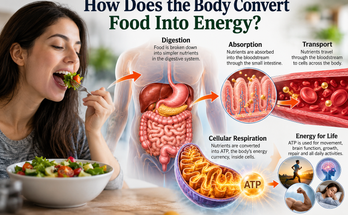
One of the most important functions of vitamins is helping the body release and use energy from food.
When we eat carbohydrates, proteins, and fats, the digestive system breaks them down into smaller components. The body then uses these nutrients for energy, growth, and repair.
Several B vitamins support the chemical reactions involved in converting food into usable energy.
Vitamin B1, also called thiamine, helps the body process carbohydrates. Vitamin B2, known as riboflavin, supports energy metabolism and normal cellular activity. Vitamin B3, or niacin, participates in reactions that help cells obtain energy.
Vitamin B5 and vitamin B7 also contribute to normal metabolism.
An important point is that vitamins do not create energy by themselves. They help the body use the energy already present in food.
A person who receives enough vitamins can support normal metabolic functions through a balanced diet.
How Do Vitamins Support the Immune System?
The immune system protects the body against harmful microorganisms, including certain bacteria and viruses.
Several vitamins contribute to normal immune function.
Vitamin C supports the activity of immune cells and helps protect cells from oxidative damage. It also participates in collagen production, which helps maintain the skin as a protective barrier.
Vitamin A supports the tissues lining the respiratory and digestive systems. These tissues form an important part of the body’s natural defense system.
Vitamin D helps regulate immune responses, while vitamin E contributes to antioxidant protection.
A balanced intake of these vitamins supports normal immune activity. However, taking large doses of vitamins does not guarantee protection against infections.
Healthy eating, regular physical activity, adequate sleep, and recommended vaccinations also contribute to immune health.
Why Is Vitamin A Important for Vision?
Vitamin A is particularly important for maintaining normal eyesight.
The eyes need vitamin A to produce substances that allow them to respond to light. One of these substances is rhodopsin, a pigment found in the retina that helps people see in dim lighting.
When the body does not receive enough vitamin A, a person may develop night blindness. Severe deficiency can also damage the surface of the eye and may eventually cause permanent vision problems.
Vitamin A supports healthy skin, normal growth, and immune function.
Food sources of vitamin A include carrots, sweet potatoes, spinach, eggs, liver, and dairy products.
Orange and dark green vegetables often contain beta carotene, which the body can convert into vitamin A.
Including these foods in regular meals can help maintain healthy vision.
How Does Vitamin D Support Healthy Bones?
Vitamin D plays an essential role in maintaining strong bones and teeth.
The body needs calcium and phosphorus to build and maintain bone tissue. Vitamin D helps the intestines absorb calcium and supports normal calcium balance.
Without enough vitamin D, the body may struggle to maintain proper bone mineralization.
In children, severe vitamin D deficiency can cause rickets, a condition that affects bone development. In adults, deficiency may contribute to osteomalacia, which causes bones to become soft and weak.
The body can produce vitamin D when the skin receives sufficient sunlight. However, production depends on several factors, including skin pigmentation, season, location, clothing, and time spent outdoors.
Dietary sources include fatty fish, egg yolks, and fortified foods.
People who have limited sunlight exposure or certain medical conditions may need professional advice about vitamin D supplementation.

What Is the Role of Vitamin C in the Human Body?
Vitamin C, also called ascorbic acid, performs several important functions.
One of its main responsibilities is helping the body produce collagen. Collagen is a protein found in the skin, blood vessels, bones, cartilage, and connective tissues.
Because collagen is essential for tissue strength, vitamin C contributes to normal wound healing and tissue maintenance.
Vitamin C also improves the absorption of nonheme iron, which is found mainly in plant foods.
This makes it useful to combine vitamin C rich foods with plant sources of iron. For example, eating tomatoes or citrus fruit with a meal containing lentils can improve iron absorption.
Vitamin C also acts as an antioxidant, helping protect cells from damage caused by free radicals.
Good dietary sources include oranges, guavas, strawberries, bell peppers, broccoli, and tomatoes.
Since the body cannot produce vitamin C, regular dietary intake is important.
How Do B Vitamins Support the Nervous System?
The nervous system controls movement, sensation, communication, and many automatic body activities.
Several B vitamins help maintain normal nervous system function.
Vitamin B1 supports nerve cell activity and energy metabolism. Vitamin B6 participates in the production of neurotransmitters, which carry messages between nerve cells.
Vitamin B12 is particularly important for maintaining the protective covering around nerves, known as myelin.
A deficiency of vitamin B12 may cause symptoms such as numbness, tingling, weakness, and problems with balance.
Folate, also called vitamin B9, is important for cell division and normal development of the nervous system during early pregnancy.
Whole grains, meat, fish, eggs, dairy products, legumes, and leafy vegetables provide different B vitamins.
People following strict vegan diets generally need reliable vitamin B12 sources through fortified foods or supplements.
How Do Vitamins Help With Blood Formation?
Healthy blood carries oxygen, nutrients, and other essential substances throughout the body.
Certain vitamins are necessary for producing and maintaining healthy blood cells.
Vitamin B12 and folate help the body make DNA, which is essential for producing new cells, including red blood cells.
When these vitamins are deficient, the body may produce unusually large and poorly functioning red blood cells. This can lead to megaloblastic anemia.
Vitamin B6 also contributes to hemoglobin production. Hemoglobin is the protein inside red blood cells that carries oxygen.
Vitamin C indirectly supports blood health by increasing the absorption of iron from plant foods.
Together, these vitamins help maintain normal blood formation and oxygen transport.
Why Is Vitamin E Important for Cell Protection?
Vitamin E acts as an antioxidant in the human body.
During normal metabolism, the body produces molecules known as free radicals. When these molecules become excessive, they can contribute to oxidative damage.
Vitamin E helps protect cell membranes from this damage.
This protective function is especially important because cell membranes contain fats that can be affected by oxidation.
Vitamin E also supports normal immune function and communication between cells.
Natural food sources include almonds, sunflower seeds, vegetable oils, and certain green vegetables.
Most people can obtain adequate vitamin E from a varied diet without needing high dose supplements.
How Does Vitamin K Support Blood Clotting?
Vitamin K is essential for normal blood clotting.
When a person experiences a small cut or injury, the body activates a complex process to control bleeding. Vitamin K is required to produce and activate several proteins involved in this process.
Without enough vitamin K, the blood may not clot normally, increasing the risk of excessive bleeding.
Vitamin K also participates in the regulation of proteins involved in bone metabolism.
Leafy green vegetables such as spinach, kale, and broccoli are important dietary sources.
People taking certain blood thinning medicines, particularly warfarin, should follow medical advice about keeping their vitamin K intake consistent.
How Do Vitamins Support Healthy Skin and Tissue Repair?
The skin protects the body from environmental conditions, microorganisms, and physical damage.
Several vitamins contribute to maintaining healthy skin and repairing damaged tissues.
Vitamin A supports normal skin cell development. Vitamin C contributes to collagen formation and wound healing, while vitamin E helps protect cell membranes from oxidative stress.
B vitamins also play different roles in skin metabolism and cell maintenance.
However, healthy skin depends on more than vitamins alone. Adequate protein, essential fats, water, minerals, and proper hygiene are also important.
A balanced diet is generally more beneficial than relying on vitamin supplements for cosmetic improvements.
What Happens When the Body Lacks Vitamins?
Vitamin deficiency develops when the body does not receive or absorb enough of a particular vitamin.
The effects depend on which vitamin is missing, how severe the deficiency becomes, and how long it continues.
Some common examples include:
- Vitamin A deficiency may cause night blindness.
- Vitamin B1 deficiency can lead to beriberi.
- Vitamin B12 deficiency may cause anemia and nerve problems.
- Vitamin C deficiency can cause scurvy.
- Vitamin D deficiency may weaken bones.
- Vitamin K deficiency can increase bleeding risk.
Vitamin deficiencies may result from an unbalanced diet, digestive disorders, certain medications, or increased nutritional requirements.
Symptoms such as tiredness and weakness can have many causes, so they should not automatically be considered signs of vitamin deficiency.
Medical evaluation may be necessary when deficiency is suspected.
Can Too Many Vitamins Be Harmful?
Although vitamins are necessary for health, excessive amounts can sometimes be dangerous.
High doses of certain fat soluble vitamins may accumulate in the body.
For example, too much preformed vitamin A may damage the liver, while excessive vitamin D supplementation can increase blood calcium levels and harm the kidneys.
Even some water soluble vitamins can cause problems when taken in excessive supplemental doses. Too much vitamin B6, for instance, may cause nerve damage.
It is important to understand that more vitamins do not always mean better health.
Supplements can be helpful for diagnosed deficiencies, pregnancy related needs, restricted diets, or certain health conditions. However, they should not replace nutritious food.
Best Food Sources of Essential Vitamins
A varied diet is one of the most practical ways to obtain essential vitamins.
Different food groups provide different vitamins:
| Food group | Important vitamins |
|---|---|
| Fruits | Vitamin C, folate, and vitamin A precursors |
| Green vegetables | Vitamins A, C, K, and folate |
| Whole grains | Several B vitamins |
| Milk and dairy products | Vitamins B2 and B12, sometimes vitamin D |
| Eggs | Vitamins A, B12, D, and B7 |
| Fish | Vitamins B12 and D |
| Nuts and seeds | Vitamin E and some B vitamins |
| Legumes | Folate and several B vitamins |
Eating different foods throughout the week helps provide a wider range of nutrients.
Fresh, frozen, and properly stored foods can all contribute to a nutritious diet.
Simple Daily Habits for Getting Enough Vitamins
Maintaining proper vitamin intake does not require complicated eating routines.
Including vegetables in lunch and dinner, eating whole fruits, choosing nutritious protein sources, and consuming appropriate amounts of dairy or fortified alternatives can make a meaningful difference.
Cooking methods also matter. Some water soluble vitamins can be lost during prolonged boiling, especially when cooking water is discarded.
Steaming vegetables or cooking them for shorter periods may help preserve certain nutrients.
Choosing a variety of foods is generally better than depending heavily on one particular food.
People with specific dietary restrictions, absorption problems, or increased nutritional needs may benefit from guidance from a qualified healthcare professional.
Conclusion
Vitamins support normal body functions by participating in energy metabolism, immune activity, blood formation, tissue repair, vision, bone maintenance, and nervous system function. Although the body needs them in small quantities, their roles are essential for maintaining good health.
Each vitamin performs important tasks, and no single vitamin can replace all the others. This is why a varied and balanced diet remains one of the most effective ways to meet daily nutritional requirements.
Understanding how vitamins support normal body functions also helps people recognize the importance of healthy food choices. By regularly eating fruits, vegetables, whole grains, protein rich foods, and other nutritious foods, most healthy individuals can obtain the vitamins their bodies need.
The main goal should not be to consume the largest possible amount of vitamins, but to obtain the right amount of each nutrient through healthy and sustainable eating habits.
Frequently Asked Questions
1. Why are vitamins important for the human body?
Vitamins help the body maintain normal growth, metabolism, immunity, tissue repair, and organ function. They support many essential processes needed for everyday health.
2. Do vitamins give the body energy?
Vitamins do not provide calories or energy directly. However, several B vitamins help the body release and use energy from carbohydrates, proteins, and fats.
3. Which vitamins support the immune system?
Vitamins A, C, D, E, B6, B12, and folate contribute to normal immune function. Adequate nutrition supports the immune system, but excess vitamin intake does not guarantee better protection.
4. Can a healthy diet provide enough vitamins?
For most healthy people, a varied and balanced diet can provide the required vitamins. Some individuals may need supplements due to medical conditions, dietary restrictions, pregnancy, or other specific needs.
5. Is taking vitamin supplements every day necessary?
Not everyone needs daily vitamin supplements. Supplementation depends on individual nutritional requirements, eating habits, and health conditions. A healthcare professional can advise when supplements are appropriate.