Air pollution is one of the most serious environmental problems affecting human health. Every day, millions of people breathe air containing harmful gases, smoke, dust, and tiny particles. These pollutants enter the respiratory system and can affect the normal functioning of the lungs. Although breathing is a natural process, the quality of the air we inhale plays an important role in maintaining good respiratory health.
Clean air allows the lungs to supply oxygen to the body efficiently. However, polluted air can irritate the airways, cause inflammation, and increase the risk of respiratory diseases. People living in crowded cities, industrial areas, and regions with heavy traffic may experience greater exposure to harmful pollutants.
Understanding how air pollution affects respiratory health is important for preventing lung problems and improving quality of life. Learning about pollution sources, their effects, and preventive measures can help individuals and communities protect their respiratory systems.
What Is Air Pollution?
Air pollution occurs when harmful substances enter the atmosphere and reduce air quality. These substances may include gases, chemical compounds, smoke, and microscopic particles.
Some pollutants come from natural sources, such as dust storms and wildfires. However, many are produced by human activities, including transportation, industrial production, electricity generation, and burning waste.
Air pollution can occur outdoors and indoors. Outdoor pollution is commonly associated with vehicle exhaust, factories, and construction activities. Indoor pollution may result from cooking smoke, tobacco smoke, heating appliances, and poor ventilation.
The health effects of air pollution depend on the type of pollutant, its concentration, the duration of exposure, and an individual’s health condition.
How Does the Respiratory System Work?
The respiratory system is responsible for bringing oxygen into the body and removing carbon dioxide.
When a person breathes, air enters through the nose or mouth and travels through the throat, windpipe, and bronchial tubes before reaching the lungs.
Inside the lungs are millions of tiny air sacs called alveoli. These structures allow oxygen to pass into the bloodstream while carbon dioxide moves from the blood into the lungs to be exhaled.
The respiratory system also has natural protective mechanisms. Tiny hairs in the nose help trap larger particles, while mucus captures dust and microorganisms. Small structures called cilia move trapped substances away from the lungs.
However, these protective systems cannot completely prevent harmful pollutants from entering the respiratory tract.
Very small particles can travel deep into the lungs, where they may trigger inflammation and interfere with normal breathing.
Major Air Pollutants That Affect Respiratory Health
Different air pollutants affect the lungs in different ways. Some cause immediate irritation, while others contribute to respiratory problems after repeated exposure.
1. Particulate Matter
Particulate matter consists of tiny solid particles and liquid droplets suspended in the air.
Two important categories are PM10 and PM2.5.
PM10 includes particles with a diameter of 10 micrometers or smaller. PM2.5 consists of finer particles measuring 2.5 micrometers or smaller.
Fine particles are particularly concerning because they can penetrate deeply into the lungs. Some may even enter the bloodstream.
Exposure to particulate matter is associated with coughing, breathing difficulties, reduced lung function, and worsening respiratory diseases.
2. Nitrogen Dioxide
Nitrogen dioxide is a gas commonly produced by vehicle engines, power plants, and fuel combustion.
Breathing this gas can irritate the airways and increase respiratory inflammation.
People with asthma may experience worsening symptoms when exposed to elevated nitrogen dioxide concentrations.
3. Ground Level Ozone
Ground level ozone forms when certain pollutants react in sunlight.
Unlike the protective ozone layer high in the atmosphere, ozone near the ground can harm respiratory health.
It may cause throat irritation, coughing, chest discomfort, and difficulty breathing.
4. Sulfur Dioxide
Sulfur dioxide is mainly released when sulfur containing fuels are burned.
Exposure can irritate the respiratory tract and cause breathing problems, particularly among individuals with asthma.
These pollutants are among the major air quality concerns identified by the World Health Organization.
World Health Organization
+1
How Does Air Pollution Damage the Lungs?
Air pollution affects respiratory health primarily by irritating tissues, promoting inflammation, and interfering with normal lung function.
When harmful particles enter the airways, the body’s immune system attempts to remove them.
This protective response may produce inflammation. Although inflammation helps defend the body, repeated exposure to pollutants can cause continuing irritation and damage.
Inflamed airways may become swollen and narrow, making it more difficult for air to move freely.
Pollution can also increase mucus production. Excess mucus may cause coughing and breathing discomfort.
Certain pollutants contribute to oxidative stress, a process in which harmful chemical reactions damage cells.
Over time, repeated exposure may affect lung tissue and reduce respiratory efficiency.
Research reviewed by the United States Environmental Protection Agency links particle pollution with airway inflammation, reduced lung function, and worsening respiratory conditions.
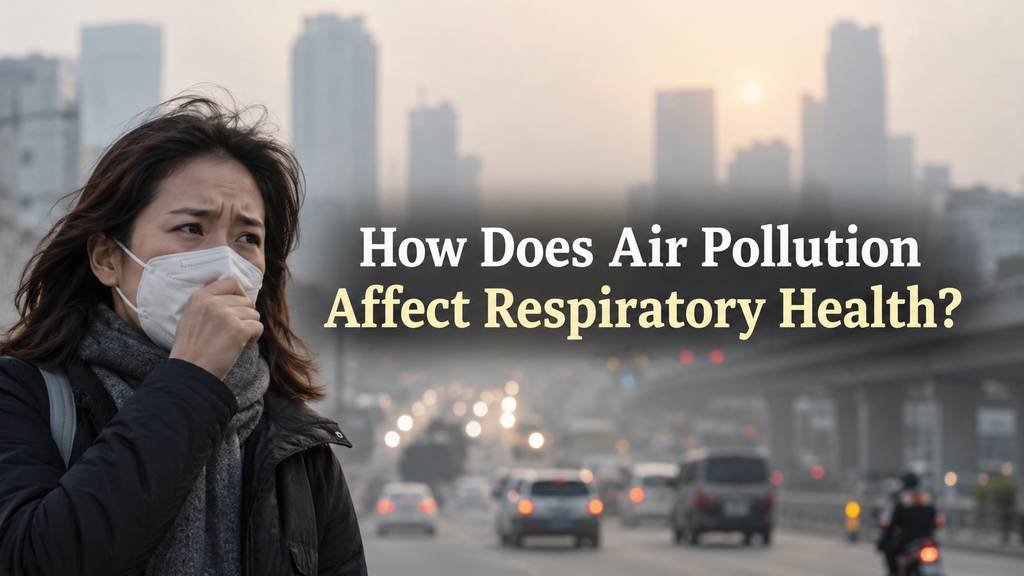
Short Term Effects of Air Pollution on Respiratory Health
Short term exposure means breathing polluted air for several hours or days.
Even brief exposure to high pollution levels can produce noticeable symptoms.
Common respiratory effects include coughing, throat irritation, wheezing, chest tightness, and shortness of breath.
Some individuals may notice increased mucus production or difficulty breathing during physical activity.
People with existing respiratory diseases are especially sensitive to sudden changes in air quality.
For example, a person with asthma may experience an attack after spending time near heavy traffic or smoke.
These symptoms may improve when exposure decreases. However, severe breathing difficulties require medical attention.
Long Term Effects of Air Pollution on Respiratory Health
Long term exposure occurs when individuals repeatedly breathe polluted air over months or years.
Continuous exposure can contribute to persistent airway inflammation and reduced lung function.
Researchers have associated long term exposure with several serious respiratory conditions.
These include asthma, chronic obstructive pulmonary disease, impaired lung development, and lung cancer.
Children exposed to polluted air during important stages of growth may experience reduced lung development.
Adults exposed to pollution for many years may develop persistent respiratory symptoms or experience worsening existing lung diseases.
The World Health Organization recognizes air pollution as a major contributor to respiratory illness and premature deaths worldwide.
World Health Organization
How Does Air Pollution Affect Asthma?
Asthma is a chronic respiratory condition in which the airways become inflamed and sensitive to certain triggers.
People with asthma often experience wheezing, coughing, chest tightness, and difficulty breathing.
Air pollution can trigger asthma symptoms by irritating the respiratory tract and increasing inflammation.
Fine particles, nitrogen dioxide, and ozone are important pollutants associated with worsening asthma.
During periods of poor air quality, some individuals may require additional medical treatment or experience more frequent asthma attacks.
Children with asthma are particularly vulnerable because their lungs are still developing.
Reducing exposure to polluted air can help improve asthma management alongside prescribed medication and medical care.
Can Air Pollution Cause Chronic Bronchitis and COPD?
Chronic bronchitis involves persistent inflammation of the bronchial tubes and is commonly associated with long lasting coughing and mucus production.
Chronic obstructive pulmonary disease, commonly called COPD, is a progressive condition that restricts airflow and makes breathing difficult.
Smoking is a major cause of COPD, but long term exposure to air pollution, occupational dust, and harmful fumes can also contribute.
People already living with COPD may experience worsening symptoms during periods of high air pollution.
Exposure can increase coughing, mucus production, and shortness of breath.
Avoiding smoke and other pollutants is therefore an important part of protecting people with chronic respiratory disease.
How Does Air Pollution Affect Children’s Lungs?
Children are more vulnerable to air pollution because their respiratory systems are still developing.
They also breathe more air relative to their body weight than adults and often spend considerable time playing outdoors.
Exposure to polluted air may increase respiratory symptoms, worsen asthma, and interfere with normal lung development.
Children living near busy roads or industrial areas may face greater exposure to traffic related pollutants.
Poor air quality can also affect school attendance when respiratory symptoms become severe.
Parents and schools can help protect children by monitoring air quality and limiting strenuous outdoor activities during heavily polluted periods.
Why Are Older Adults More Vulnerable?
Older adults may be more sensitive to air pollution because lung function naturally changes with age.
Some also have existing heart or respiratory conditions that increase their vulnerability.
Polluted air can worsen breathing difficulties and increase the likelihood of respiratory complications.
Older individuals with asthma or COPD may require additional precautions during periods of poor air quality.
Maintaining clean indoor air and following prescribed medical treatment can help reduce these risks.
How Does Indoor Air Pollution Affect Breathing?
Air pollution is not limited to roads and industrial areas. Indoor environments can also contain harmful pollutants.
Common indoor pollution sources include cooking with solid fuels, tobacco smoke, burning candles, poorly maintained heating equipment, and certain household chemicals.
In poorly ventilated rooms, pollutants may accumulate and create unhealthy breathing conditions.
Smoke from burning wood, coal, or other solid fuels can release fine particles and harmful gases.
Long term exposure to household air pollution increases the risk of respiratory illness.
Using cleaner cooking fuels, improving ventilation when outdoor air is suitable, and avoiding indoor smoking can help reduce exposure.
What Is the Connection Between Air Pollution and Respiratory Infections?
Respiratory infections affect the nose, throat, airways, or lungs and may be caused by viruses, bacteria, or other microorganisms.
Air pollution does not directly cause every respiratory infection. However, exposure to pollutants can damage protective airway mechanisms and increase susceptibility to certain infections.
Inflammation and impaired clearance of mucus may make it more difficult for the respiratory system to remove harmful microorganisms.
Research has linked particulate pollution with increased respiratory infections and related hospital visits.
Reducing pollution exposure is therefore an important part of respiratory disease prevention.
How Can People Protect Their Respiratory Health From Air Pollution?
Although individuals cannot completely control outdoor air quality, several practical measures can reduce exposure.
Check Daily Air Quality
Monitoring the local Air Quality Index helps people understand current pollution conditions.
When pollution levels are high, reducing unnecessary outdoor activities can lower exposure.
Avoid Heavy Traffic Areas
Busy roads often have higher concentrations of vehicle emissions.
Choosing quieter walking routes and avoiding prolonged exposure near congested roads may help protect respiratory health.
Keep Indoor Air Cleaner
Prevent indoor smoking, reduce unnecessary burning, and use suitable ventilation.
Air purifiers equipped with effective particle filters may help reduce indoor particulate matter when properly maintained.
Wear Appropriate Masks
A properly fitted N95 or similar particulate respirator can reduce inhalation of airborne particles when used correctly.
However, these respirators do not protect against every harmful gas.
Maintain Healthy Habits
Regular physical activity, balanced nutrition, adequate sleep, and avoiding tobacco support general respiratory health.
Outdoor exercise should be adjusted when pollution levels are unhealthy.
These habits support lung health but cannot eliminate the harmful effects of polluted air.
How Can Communities Reduce Air Pollution?
Protecting respiratory health requires cooperation between individuals, industries, and governments.
Cleaner public transportation, industrial emission controls, and improved waste management can help reduce harmful pollutants.
Using renewable energy and cleaner technologies can also improve air quality.
Communities can discourage open waste burning and support responsible construction practices that minimize dust.
Urban planning that reduces traffic congestion and places schools away from major pollution sources can also help.
Environmental education is especially important because people who understand pollution risks are better prepared to take preventive action.
When Should Someone Seek Medical Advice?
Respiratory symptoms should not always be blamed on air pollution because infections, allergies, and other medical conditions may produce similar problems.
A person should consult a healthcare professional if coughing, wheezing, or breathing difficulties persist or repeatedly occur.
People with asthma or COPD should follow their prescribed treatment plans and discuss worsening symptoms with their healthcare providers.
Severe shortness of breath, blue lips, confusion, or significant chest pain may indicate a medical emergency and require immediate medical attention.
Early evaluation can help identify respiratory conditions and prevent complications.
Conclusion
Air pollution affects respiratory health by exposing the lungs to harmful particles and gases that can cause irritation, inflammation, and reduced lung function.
Both short term and long term exposure can create health problems, particularly among children, older adults, and people with existing respiratory diseases.
Conditions such as asthma, COPD, respiratory infections, and lung cancer are important concerns associated with polluted air.
Although individual precautions can reduce exposure, improving air quality requires broader environmental action.
Cleaner transportation, responsible industrial practices, reduced indoor smoke, and public awareness can make a meaningful difference.
Protecting the air we breathe is not only an environmental responsibility. It is an essential step toward healthier lungs, stronger communities, and a better quality of life.
Frequently Asked Questions
Can air pollution damage healthy lungs?
Yes. Even people without existing respiratory diseases can experience airway irritation, inflammation, and reduced lung function following exposure to polluted air.
Is air pollution more dangerous for children?
Children are particularly vulnerable because their lungs are developing, and pollution exposure may affect normal respiratory growth.
Can lungs recover after exposure to air pollution?
Some symptoms and inflammation may improve after exposure decreases. However, certain long term changes or established lung diseases may not be fully reversible.
Does wearing a mask protect against air pollution?
A properly fitted particulate respirator, such as an N95, can help reduce exposure to fine particles. It does not provide complete protection against pollution or harmful gases.
What is the best way to prevent respiratory problems caused by air pollution?
Reducing exposure, monitoring local air quality, maintaining cleaner indoor environments, avoiding tobacco smoke, and supporting pollution reduction measures are important protective steps.
SEO Meta Title: How Does Air Pollution Affect Respiratory Health?
Meta Description: Learn how air pollution affects respiratory health, damages the lungs, worsens asthma and COPD, and discover practical ways to protect your breathing.
Focus Keyword: How Does Air Pollution Affect Respiratory Health
Suggested URL Slug: how-does-air-pollution-affect-respiratory-health
Category: Environmental Health and Disease Prevention