Human health depends on many factors, including the environment, lifestyle, genetics, and exposure to harmful microorganisms. Throughout life, people may experience different illnesses that affect the normal functioning of the body. Some diseases develop because harmful germs enter the body, while others occur due to genetic conditions, unhealthy habits, environmental influences, or changes in body functions.
Understanding the difference between infectious and noninfectious diseases is important because these two categories have different causes, methods of prevention, and treatments. Although both can affect human health, they do not develop or spread in the same way.
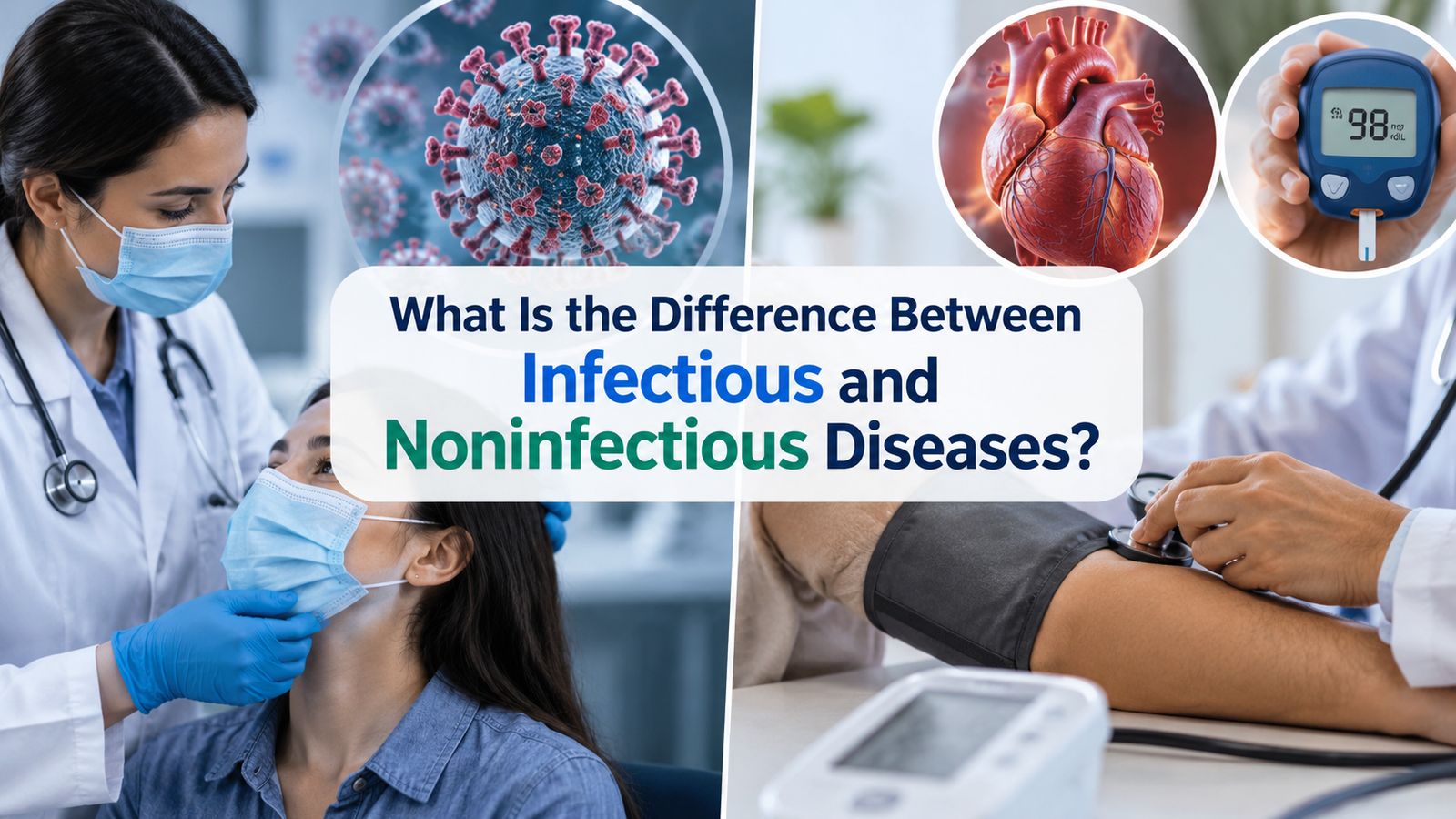
Infectious diseases are caused by pathogens such as bacteria, viruses, fungi, and parasites. Noninfectious diseases, on the other hand, are not caused by infectious pathogens and cannot spread from one person to another through infection.
Learning about these diseases helps people understand how illnesses develop, how the body responds, and why different health conditions require different approaches to care.
What Are Infectious Diseases?
Infectious diseases are illnesses caused by harmful microorganisms or infectious agents that enter the body and interfere with its normal functions. These agents are commonly called pathogens.
When pathogens enter the body, they may multiply, damage tissues, or trigger reactions from the immune system. Depending on the type of infection, symptoms can range from mild discomfort to serious health complications.
Some infectious diseases spread easily between people, while others are transmitted through contaminated food, water, insects, animals, or environmental sources.
Common examples of infectious diseases include:
- Influenza
- Tuberculosis
- Measles
- Malaria
- Cholera
- Chickenpox
- COVID 19
- Dengue fever
Each disease has a particular cause and may affect different organs or systems.
For example, influenza mainly affects the respiratory system, while malaria affects red blood cells and other parts of the body.
An important point is that not every infectious disease spreads directly from person to person. Some require a mosquito or another source for transmission.
What Are Noninfectious Diseases?
Noninfectious diseases are health conditions that do not result from infection by pathogens. These diseases may develop because of inherited characteristics, lifestyle habits, environmental exposure, nutritional deficiencies, or problems with normal body processes.
Unlike contagious infectious diseases, noninfectious diseases cannot be transmitted to another person through ordinary contact, coughing, sneezing, or sharing personal belongings.
Many noninfectious diseases develop gradually and may continue for years. However, some appear suddenly or are present from birth.
Common examples include:
- Type 2 diabetes
- High blood pressure
- Coronary artery disease
- Many types of cancer
- Asthma
- Osteoporosis
- Sickle cell disease
- Certain inherited metabolic disorders
These conditions have different causes and require different forms of medical care.
For example, diabetes involves problems with blood glucose regulation, while osteoporosis causes bones to become weaker and more likely to fracture.
Although many noninfectious diseases are long lasting, others can be temporary or treatable.
Main Difference Between Infectious and Noninfectious Diseases
The most important difference between infectious and noninfectious diseases is their underlying cause.
Infectious diseases develop because infectious agents enter the body. Noninfectious diseases develop through mechanisms that do not involve an infectious cause.
The following table explains their major differences.
| Feature | Infectious Diseases | Noninfectious Diseases |
|---|---|---|
| Main cause | Bacteria, viruses, fungi, or parasites | Genetic, lifestyle, environmental, or physiological factors |
| Transmission | Some spread between people or through other sources | Do not spread through infection |
| Development | May develop rapidly or gradually | May appear suddenly or develop over time |
| Duration | Can be short or long lasting | Can be temporary or chronic |
| Prevention | Vaccination, hygiene, sanitation, and infection control | Healthy habits, screening, and reducing risk factors |
| Treatment | Depends on the pathogen and infection | Depends on the underlying condition |
| Examples | Influenza, malaria, tuberculosis | Diabetes, hypertension, osteoporosis |
This comparison shows why identifying the type of disease is essential before selecting appropriate treatment.
What Causes Infectious Diseases?
Several types of pathogens can cause infectious diseases. Each affects the human body differently.
1. Bacteria
Bacteria are microscopic single celled organisms found throughout the environment. Many bacteria are harmless or beneficial, especially those living in the digestive system.
However, certain bacteria can cause infections.
Examples include tuberculosis, bacterial pneumonia, and some foodborne illnesses.
Doctors may prescribe antibiotics for certain bacterial infections. However, antibiotics are ineffective against viruses.
2. Viruses
Viruses are infectious agents that need living cells to reproduce.
They enter body cells and use their machinery to produce more viral particles.
Examples of viral diseases include influenza, measles, chickenpox, and COVID 19.
Some viral infections can be prevented through vaccination. Others may be treated with antiviral medicines when appropriate.
3. Fungi
Fungi include yeasts and molds. Some fungal organisms cause infections affecting the skin, nails, lungs, or internal organs.
Examples include ringworm and certain forms of candidiasis.
Fungal infections are commonly treated with antifungal medicines, although treatment depends on the affected area and severity.
4. Parasites
Parasites are organisms that survive by living on or inside another living organism.
They may enter the body through contaminated food, water, insect bites, or other exposure routes.
Malaria is a well known parasitic disease transmitted through bites from infected Anopheles mosquitoes.
The treatment of parasitic infections depends on the organism involved.
What Causes Noninfectious Diseases?
Noninfectious diseases have several possible causes, and many conditions develop through a combination of factors.
1. Genetic Factors
Some diseases develop because of inherited changes in genes.
For example, sickle cell disease is an inherited blood disorder that affects the structure and function of red blood cells.
Genetic conditions cannot be prevented through hygiene or vaccination.
However, early diagnosis and suitable medical care can help manage their effects.

2. Lifestyle Habits
Daily habits can influence the risk of developing certain noninfectious diseases.
Poor nutrition, physical inactivity, tobacco use, and excessive alcohol consumption contribute to various health problems.
For example, regular physical activity and balanced nutrition can help reduce the risk of type 2 diabetes and cardiovascular disease.
However, these conditions can also occur in people who follow healthy lifestyles.
3. Environmental Factors
The environment can influence human health in several ways.
Air pollution, harmful chemicals, radiation, and occupational exposure may contribute to certain noninfectious diseases.
Long term exposure to polluted air, for example, can increase the risk of cardiovascular and respiratory problems.
4. Nutritional Deficiencies
The human body requires vitamins, minerals, proteins, and other nutrients to function properly.
A lack of essential nutrients can cause specific health conditions.
For example, vitamin C deficiency can lead to scurvy, while inadequate vitamin D or calcium intake can contribute to poor bone health.
These diseases are not infectious because they do not result from pathogens.
How Do Infectious Diseases Spread?
Understanding how infectious diseases spread is essential for protecting individuals and communities.
Different infections have different routes of transmission.
Through Respiratory Particles
Some infections spread when an infected person breathes, talks, coughs, or sneezes, releasing infectious respiratory particles.
Influenza and measles are examples of diseases that can spread through the air, although their transmission patterns differ.
Through Contaminated Food and Water
Certain pathogens enter the digestive system when people consume contaminated food or drinking water.
Cholera is an example of a bacterial infection associated with contaminated water or food.
Proper sanitation and safe food preparation reduce this risk.
Through Insect Bites
Some infectious diseases require insects to carry pathogens between hosts.
Malaria and dengue are transmitted by mosquitoes, although different mosquito species are involved.
Through Direct Contact
Certain infections spread through physical contact with an infected person or contaminated materials.
Transmission depends on the pathogen, the type of contact, and the surrounding conditions.
Understanding these routes helps people choose suitable protective measures.
Can Noninfectious Diseases Spread Between People?
Noninfectious diseases do not spread through infection.
A person cannot catch diabetes by shaking hands with someone who has diabetes. Similarly, hypertension cannot pass from one person to another through coughing or sharing a meal.
However, some noninfectious conditions occur more frequently within families because relatives share genetic characteristics or environmental influences.
For example, several family members may develop type 2 diabetes because of inherited susceptibility and shared lifestyle factors.
This family pattern does not mean that diabetes is contagious.
It is also important to recognize that some infectious agents can contribute to diseases commonly classified as noninfectious. For example, certain human papillomavirus infections increase the risk of cervical cancer.
Therefore, the relationship between infection and long term disease can sometimes be complex.
Symptoms of Infectious and Noninfectious Diseases
Symptoms depend on the particular disease, the affected organs, and individual health conditions.
Symptoms of Infectious Diseases
Common symptoms may include:
- Fever and chills
- Cough or sore throat
- Fatigue and weakness
- Muscle pain
- Diarrhea or vomiting
- Skin rashes
- Swollen lymph nodes
However, some infections produce no noticeable symptoms.
Symptoms of Noninfectious Diseases
Symptoms vary considerably and may include:
- Persistent tiredness
- Increased thirst
- Frequent urination
- Breathing difficulties
- Joint discomfort
- Chest discomfort
- Changes in weight
For example, uncontrolled diabetes may cause frequent urination and increased thirst, while asthma may cause wheezing and shortness of breath.
Symptoms alone cannot reliably determine whether a disease is infectious or noninfectious. Medical evaluation may be necessary.
How Are Infectious Diseases Diagnosed?
Doctors diagnose infectious diseases by considering symptoms, medical history, physical examination findings, and relevant laboratory tests.
Depending on the suspected infection, testing may include blood tests, urine tests, throat samples, stool examinations, or imaging studies.
Laboratory methods can sometimes identify a specific pathogen, helping healthcare professionals select an appropriate treatment.
Early diagnosis is particularly important when an infection may cause complications or spread to other people.
How Are Noninfectious Diseases Diagnosed?
Noninfectious diseases are often diagnosed through medical examinations, laboratory investigations, and assessments of risk factors.
For example, diabetes may be diagnosed using blood glucose tests or an HbA1c test.
High blood pressure is generally identified through properly performed blood pressure measurements, often taken on more than one occasion.
Doctors may also use imaging, genetic testing, or other specialized investigations.
Regular health checkups can help identify certain conditions before noticeable symptoms develop.
How Are Infectious Diseases Treated?
Treatment depends on the type of infectious agent and the severity of the illness.
Bacterial infections may require antibiotics. Fungal infections may need antifungal medicines, while specific parasitic diseases require suitable antiparasitic medications.
Some viral infections can be treated with antiviral drugs, but many improve with supportive care.
Rest, appropriate hydration, and symptom management may help during recovery.
Importantly, antibiotics should only be used when medically appropriate because unnecessary use contributes to antibiotic resistance.
Some serious infections require hospital treatment, especially when breathing, circulation, or other essential body functions are affected.
How Are Noninfectious Diseases Treated?
Noninfectious diseases require treatment based on their underlying causes.
Some conditions can be managed through lifestyle changes, while others require medicines, surgery, rehabilitation, or long term medical supervision.
For example, people with type 2 diabetes may need dietary adjustments, physical activity, medication, and regular blood glucose monitoring.
People with high blood pressure may require medicines along with changes in salt intake, physical activity, and other habits.
Inherited disorders may require specialized treatment and ongoing medical support.
Treatment aims to control symptoms, prevent complications, improve functioning, or cure the condition when possible.
How Can Infectious Diseases Be Prevented?
Many infectious diseases can be prevented by reducing exposure to pathogens and strengthening community protection.
Important preventive measures include:
- Washing hands properly with soap and water.
- Receiving recommended vaccinations.
- Drinking safe, clean water.
- Preparing and storing food safely.
- Maintaining good personal hygiene.
- Improving ventilation in indoor spaces.
- Avoiding unnecessary contact with people who have contagious infections.
- Protecting against mosquito bites where mosquito borne diseases occur.
Vaccination is especially important because it prepares the immune system to recognize and respond to specific pathogens.
Clean environments and reliable sanitation systems also play major roles in reducing infectious disease transmission.
How Can Noninfectious Diseases Be Prevented?
Not all noninfectious diseases are preventable, particularly inherited disorders. However, many risk factors can be reduced through healthy habits and suitable medical care.
Useful preventive practices include eating a balanced diet, exercising regularly, avoiding tobacco, maintaining a healthy sleep routine, and managing stress.
Regular medical screening can help identify certain diseases early.
Maintaining healthy blood pressure, blood glucose, and cholesterol levels can reduce the risk of serious cardiovascular complications.
People with a family history of particular conditions may benefit from discussing individual risks with healthcare professionals.
Prevention is not always about completely avoiding disease. It also involves reducing complications and protecting long term health.
Why Is Understanding the Difference Important?
Understanding the difference between infectious and noninfectious diseases helps people make informed decisions about their health.
For infectious diseases, recognizing transmission risks can encourage appropriate hygiene, vaccination, and infection control.
For noninfectious diseases, understanding lifestyle and genetic factors can encourage preventive care and early medical evaluation.
This knowledge also helps reduce misunderstandings.
For example, a person with asthma does not pose an infection risk simply because they experience coughing or breathing difficulties.
Similarly, a person with an infectious disease may need specific precautions to protect others.
Correct information encourages appropriate treatment, responsible health behavior, and respectful attitudes toward people living with different medical conditions.
The Role of Health Education in Disease Prevention
Health education is essential for improving public understanding of disease causes and prevention.
Schools, families, healthcare professionals, and community organizations can help people learn how infections spread and why preventive habits matter.
Education also helps individuals recognize warning signs and understand when professional medical care may be necessary.
People who understand disease prevention are better equipped to protect themselves while making informed decisions about nutrition, exercise, vaccination, and medical screening.
Public awareness can also reduce harmful misconceptions about infectious and chronic illnesses.
Frequently Asked Questions
1. What is the simplest difference between infectious and noninfectious diseases?
Infectious diseases are caused by infectious agents such as viruses, bacteria, fungi, and parasites. Noninfectious diseases develop from causes that do not involve an infectious pathogen.
2. Is diabetes an infectious disease?
No. Diabetes is a noninfectious disease involving problems with blood glucose regulation. It cannot spread from one person to another through contact.
3. Are all infectious diseases contagious?
No. Some infectious diseases spread between people, while others require contaminated food, water, insect vectors, or environmental exposure.
4. Can noninfectious diseases be cured?
Some noninfectious conditions can be cured or reversed, depending on their causes. Others require long term management to control symptoms and prevent complications.
5. Which type of disease is more dangerous?
Both infectious and noninfectious diseases can be serious. Their severity depends on the specific condition, the person’s health, access to medical care, and the effectiveness of treatment.
6. Can a person have infectious and noninfectious diseases at the same time?
Yes. A person living with diabetes or heart disease can also develop an infectious illness such as influenza or pneumonia. Some existing health conditions may increase the risk of complications from infections.
Conclusion
The difference between infectious and noninfectious diseases mainly involves their causes and methods of transmission. Infectious diseases result from pathogens such as bacteria, viruses, fungi, and parasites. Some spread between individuals, while others are acquired through food, water, insects, or environmental exposure.
Noninfectious diseases are not caused by infectious pathogens. Instead, they may develop because of genetic factors, lifestyle habits, environmental influences, nutritional deficiencies, or changes in normal body functions.
Both categories can affect physical health, daily activities, and quality of life. However, their prevention and treatment methods differ.
Understanding these differences encourages healthier habits, early diagnosis, appropriate medical treatment, and better awareness of disease prevention.
By learning how diseases develop and affect the body, individuals can make informed decisions and contribute to healthier families and communities.