Introduction
Minerals are essential nutrients that help the human body grow, develop, and perform its daily functions. Although the body needs minerals in relatively small amounts compared with carbohydrates, proteins, and fats, their importance cannot be ignored. Minerals support strong bones, healthy blood circulation, proper nerve communication, muscle movement, and many other biological activities.
The role of minerals in human nutrition is an important topic because these nutrients influence almost every system of the body. Without adequate mineral intake, the body may struggle to maintain normal health and perform essential functions.
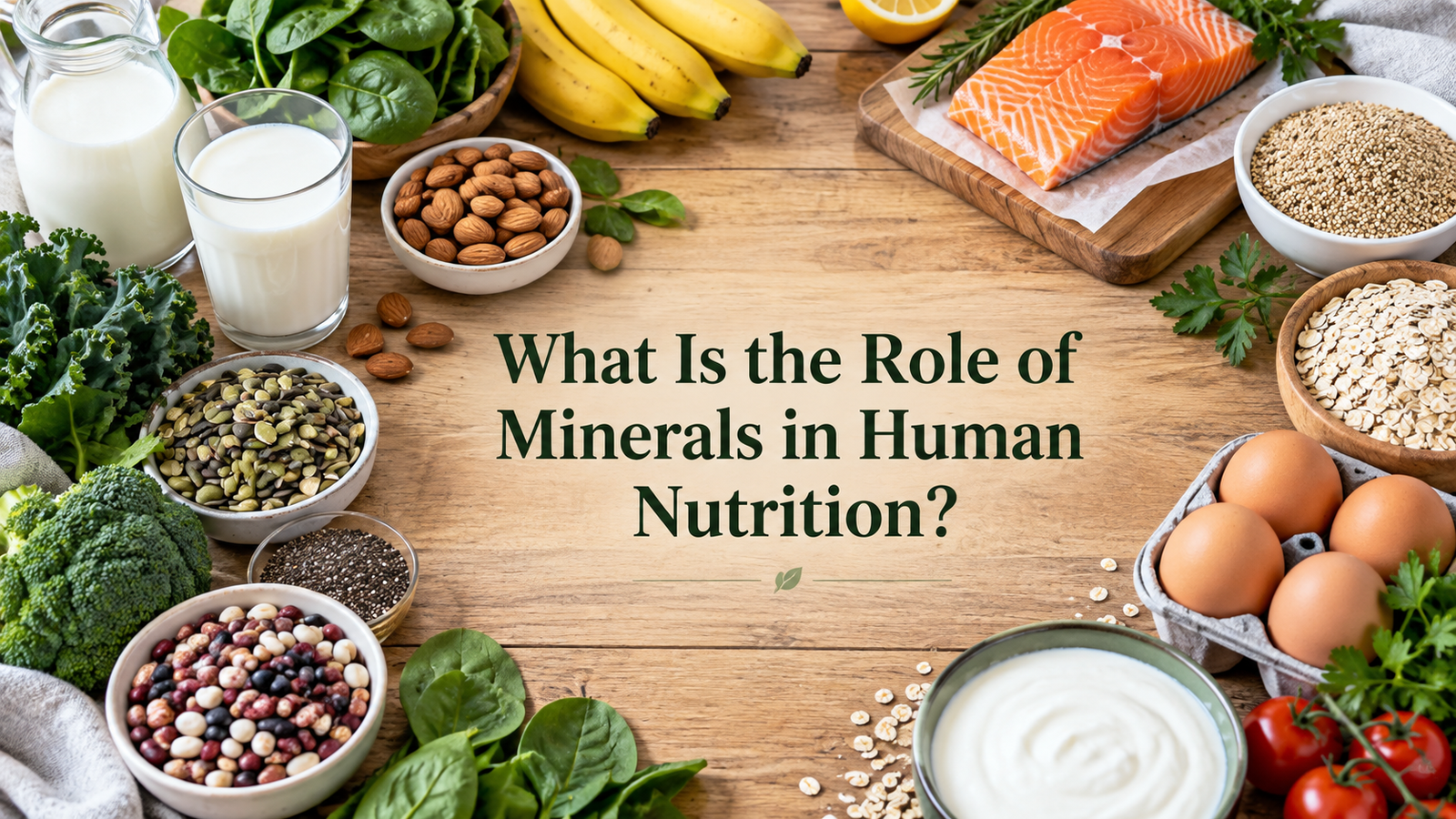
Minerals are naturally present in many foods, including vegetables, fruits, dairy products, meat, fish, nuts, seeds, and whole grains. Eating a balanced diet usually provides the minerals needed for healthy living.
Understanding how minerals work can help people make better food choices and recognize the importance of nutritional balance.
What Are Minerals in Human Nutrition?
Minerals are inorganic nutrients that the human body requires for normal growth, development, and maintenance. Unlike vitamins, minerals are chemical elements that cannot be broken down into simpler substances through ordinary biological processes.
The body cannot manufacture minerals, so they must come from food, drinking water, or supplements when medically necessary.
Minerals participate in several important activities, including maintaining fluid balance, supporting bone structure, transporting oxygen, and helping enzymes perform their functions.
Some minerals are needed in larger quantities, while others are required in very small amounts. However, both groups are essential for maintaining good health.
A lack of certain minerals can affect physical performance, immunity, and the normal functioning of organs.
Types of Minerals Required by the Human Body
Minerals are generally divided into two main categories based on the amount the body requires.
1. Major Minerals
Major minerals are also called macrominerals. The body needs these minerals in relatively large quantities.
Important major minerals include:
- Calcium
- Phosphorus
- Magnesium
- Sodium
- Potassium
- Chloride
- Sulfur
These minerals support important activities such as bone formation, muscle contraction, nerve communication, and fluid regulation.
2. Trace Minerals
Trace minerals are required in smaller amounts, but they are equally important for normal health.
Common trace minerals include iron, zinc, iodine, selenium, copper, manganese, fluoride, molybdenum, and chromium.
Each trace mineral performs specific functions that contribute to the body’s overall nutritional balance.
Why Are Minerals Important for Human Health?
Minerals are necessary because they help regulate many biological processes.
Some minerals become part of body structures, while others support chemical reactions inside cells.
For example, calcium contributes to bone strength, iron helps transport oxygen, and potassium supports normal muscle and nerve activity.
Minerals also help maintain the balance of fluids inside and outside cells.
When the body receives appropriate amounts of minerals, its organs and tissues can function more efficiently.
However, consuming too little or too much of certain minerals may create health problems.
This is why nutritional balance matters more than simply increasing mineral intake.
Role of Calcium in Bone and Teeth Health
Calcium is one of the most abundant minerals in the human body. Most of it is stored in bones and teeth, where it provides strength and structure.
Calcium plays an important role in building healthy bones during childhood and maintaining bone health throughout adulthood.
It also supports muscle contraction, nerve signaling, and normal blood clotting.
When dietary calcium intake remains insufficient, the body may draw calcium from bones to maintain normal blood calcium levels.
Over time, inadequate calcium intake can contribute to reduced bone strength.
Good dietary sources of calcium include milk, yogurt, cheese, calcium fortified foods, and certain green vegetables.
Vitamin D is also important because it helps the body absorb calcium efficiently.
Importance of Iron in Human Nutrition
Iron is an essential trace mineral that helps the body produce hemoglobin.
Hemoglobin is a protein found in red blood cells that carries oxygen from the lungs to different parts of the body.
Without enough iron, the body may struggle to produce adequate amounts of healthy hemoglobin.
Iron deficiency can lead to iron deficiency anemia, which may cause tiredness, weakness, shortness of breath, and reduced concentration.
Iron is especially important during childhood, adolescence, pregnancy, and other periods of increased nutritional demand.
Good sources of iron include meat, poultry, fish, lentils, beans, and fortified cereals.
Iron from plant foods is generally absorbed less efficiently than iron from animal foods.
Eating vitamin C rich foods alongside plant sources of iron can improve absorption.
Role of Magnesium in Body Functions
Magnesium contributes to hundreds of enzyme reactions inside the human body.
It supports energy production, muscle function, nerve activity, and protein formation.
Magnesium also helps maintain normal bone structure and supports regular heart function.
Another important function of magnesium is its involvement in regulating blood glucose and maintaining normal blood pressure.
Foods containing magnesium include almonds, pumpkin seeds, spinach, beans, and whole grains.
A varied diet can usually provide sufficient magnesium for healthy adults.
However, people with certain medical conditions or absorption difficulties may require special attention to magnesium intake.
Importance of Potassium for Muscles and Nerves
Potassium is a major mineral that helps maintain normal fluid balance within cells.
It is especially important for nerve communication and muscle contraction.
The heart is a muscle, so potassium also contributes to maintaining normal heart rhythm.
Adequate potassium intake is associated with healthy blood pressure regulation, particularly when combined with an appropriate sodium intake.
Potassium rich foods include bananas, potatoes, beans, tomatoes, leafy vegetables, and certain fruits.
People with healthy kidneys generally benefit from obtaining potassium through a balanced diet.
However, individuals with kidney disease or those taking certain medications may need to control potassium intake under medical guidance.
Role of Sodium in Maintaining Fluid Balance
Sodium is necessary for regulating fluid levels in the body.
It also helps nerves transmit electrical signals and allows muscles to contract normally.
Sodium is naturally present in some foods and is commonly consumed through table salt and processed foods.
Although sodium is essential, excessive consumption can contribute to increased blood pressure in many people.
Frequent intake of highly salted foods may increase the risk of cardiovascular problems.
Reducing unnecessary salt while maintaining a balanced diet can support long term health.
The goal is not to eliminate sodium completely but to consume an appropriate amount.
Why Is Zinc Important for the Immune System?
Zinc is a trace mineral involved in many important biological activities.
It supports normal immune function, wound healing, growth, and the production of DNA and proteins.
Zinc is particularly important during childhood because it contributes to normal growth and development.
It also supports the senses of taste and smell.
Insufficient zinc intake may affect immune function, delay wound healing, and interfere with normal growth.
Foods containing zinc include meat, seafood, dairy products, beans, nuts, and seeds.
A balanced diet containing different food groups generally helps maintain adequate zinc levels.
Role of Iodine in Thyroid Function
Iodine is essential for producing thyroid hormones.
These hormones regulate metabolism and contribute to normal growth, brain development, and energy use.
When iodine intake is insufficient, the thyroid gland may enlarge, causing a condition known as goiter.
Severe iodine deficiency during pregnancy can negatively affect fetal brain development.
Iodized salt is an important dietary source of iodine in many countries.
Other sources include seafood, dairy products, and eggs, although their iodine content can vary.
Using iodized salt within recommended salt limits can help prevent iodine deficiency.
Importance of Phosphorus in Human Nutrition
Phosphorus works closely with calcium to support healthy bones and teeth.
It is also a component of ATP, a molecule that stores and transfers energy within cells.
Phosphorus contributes to cell membrane structure and the formation of DNA and RNA.
Common food sources include dairy products, poultry, fish, meat, beans, and nuts.
Because phosphorus is widely available in food, deficiency is uncommon among people eating adequate diets.
However, excessive phosphorus intake may be a concern for individuals with certain kidney conditions.
Role of Selenium in Protecting Body Cells
Selenium is a trace mineral that contributes to antioxidant defense systems.
It forms part of proteins that help protect cells from damage associated with normal metabolic activities.
Selenium also supports thyroid hormone metabolism and normal immune function.
Dietary sources include fish, eggs, meat, grains, and Brazil nuts.
The selenium content of plant foods can depend on the soil in which they grow.
Although selenium is essential, excessive intake can be harmful.
Therefore, selenium supplements should not be taken in large amounts without professional advice.
How Do Minerals Support Growth and Development?
Minerals are particularly important during childhood and adolescence because the body is growing rapidly.
Calcium and phosphorus help develop strong bones and teeth.
Iron contributes to oxygen transport and normal cognitive development.
Zinc supports growth, cell division, and tissue repair.
Iodine is necessary for normal brain development and thyroid function.
Pregnancy is another period when adequate mineral nutrition becomes especially important.
A nutritious diet containing a variety of foods helps meet changing mineral requirements throughout life.
What Happens When the Body Lacks Minerals?
Mineral deficiency occurs when the body does not receive or absorb sufficient amounts of an essential mineral.
The effects depend on the mineral involved, the severity of the deficiency, and how long it continues.
Common examples include:
- Iron deficiency may cause anemia and fatigue.
- Calcium deficiency over time may contribute to weakened bones.
- Iodine deficiency may cause thyroid problems.
- Zinc deficiency may affect growth and wound healing.
- Magnesium deficiency may cause muscle weakness or abnormal muscle activity.
Mineral deficiencies can result from inadequate food intake, medical conditions, absorption problems, or increased nutritional needs.
Persistent symptoms should be evaluated by a qualified healthcare professional rather than treated through random supplementation.
Can Excessive Mineral Intake Be Harmful?
Minerals are essential, but consuming excessive quantities can cause health problems.
For example, too much sodium may contribute to high blood pressure.
Excessive iron supplementation can cause digestive problems and, in severe cases, organ damage.
High calcium supplement intake may increase the risk of kidney stones in some individuals.
Excessive selenium can lead to hair loss, brittle nails, and other symptoms.
These examples show that more minerals do not automatically mean better health.
The safest approach for most healthy people is to obtain minerals primarily through food and use supplements when appropriate.
Best Natural Food Sources of Minerals
A healthy diet should include different food groups because no single food provides every mineral in ideal quantities.
| Food Group | Important Minerals |
|---|---|
| Milk and yogurt | Calcium, phosphorus, potassium |
| Meat and poultry | Iron, zinc, phosphorus |
| Fish and seafood | Iodine, selenium, phosphorus |
| Beans and lentils | Iron, magnesium, potassium |
| Nuts and seeds | Magnesium, zinc, copper |
| Green vegetables | Calcium, potassium, magnesium |
| Whole grains | Magnesium, phosphorus, manganese |
| Fruits | Potassium and smaller amounts of other minerals |
Eating a variety of these foods helps provide a broad range of essential minerals.
How Can We Improve Mineral Absorption?
The amount of minerals present in food is not always equal to the amount absorbed by the body.
Mineral absorption depends on food combinations, digestive health, age, and nutritional status.
For example, vitamin D improves calcium absorption, while vitamin C increases the absorption of nonheme iron found in plant foods.
Certain natural compounds in grains and legumes, such as phytates, can reduce the absorption of some minerals.
Soaking, fermenting, and preparing foods appropriately may help improve mineral availability.
Tea and coffee consumed with meals can also reduce nonheme iron absorption.
People at risk of iron deficiency may benefit from drinking tea between meals rather than immediately with iron rich foods.
Are Mineral Supplements Necessary?
Mineral supplements can be useful when a person has a diagnosed deficiency or cannot meet nutritional requirements through food alone.
However, supplements are not necessary for everyone.
Most healthy individuals can obtain essential minerals from a varied and balanced diet.
Some groups, including pregnant women, people with restricted diets, and individuals with certain medical conditions, may have specific supplementation needs.
Taking supplements without understanding the required dosage can create unnecessary risks.
A healthcare professional can help determine whether supplementation is appropriate based on individual health needs.
Simple Daily Habits for Better Mineral Nutrition
Maintaining healthy mineral intake does not require complicated dietary rules.
Small improvements in everyday eating habits can make a meaningful difference.
Including vegetables and fruits in meals provides potassium and several other minerals.
Dairy products or suitable fortified alternatives can contribute calcium.
Beans, lentils, meat, and fish provide important minerals such as iron and zinc.
Choosing whole grains and consuming nuts or seeds in reasonable portions can increase magnesium intake.
Limiting excessive salt and avoiding unnecessary supplements also support nutritional balance.
Consistency and dietary variety are more valuable than depending on a single mineral rich food.
Frequently Asked Questions
What is the main role of minerals in human nutrition?
Minerals support bone development, muscle function, nerve communication, oxygen transport, fluid balance, and many chemical reactions necessary for life.
Which minerals are most important for the human body?
Calcium, phosphorus, magnesium, sodium, potassium, iron, zinc, iodine, and selenium are among the essential minerals. Every essential mineral has its own important functions.
Can fruits and vegetables provide enough minerals?
Fruits and vegetables provide several minerals, especially potassium and magnesium. However, a balanced diet containing additional food groups is generally needed to obtain adequate amounts of all essential minerals.
What is the difference between vitamins and minerals?
Vitamins are organic compounds, while minerals are inorganic elements. Both are essential micronutrients, but they perform different biological functions.
Is it safe to take mineral supplements every day?
Daily mineral supplements may be appropriate for certain individuals, but unnecessary or excessive supplementation can be harmful. The need depends on diet, age, health status, and medical advice.
Conclusion
The role of minerals in human nutrition is essential for maintaining health, supporting growth, and ensuring that the body’s systems function properly. Minerals contribute to strong bones, healthy blood, muscle movement, nerve communication, immune activity, and many other biological processes.
Every essential mineral performs a specific function, and the body needs an appropriate balance to remain healthy. Both mineral deficiency and excessive intake can create health problems.
A varied diet containing fruits, vegetables, whole grains, dairy products or suitable alternatives, legumes, nuts, and appropriate protein sources can help meet daily mineral requirements.
Understanding the importance of minerals encourages healthier food choices and better nutritional habits. By focusing on dietary variety, balance, and appropriate intake, people can support their overall health throughout different stages of life.
Ultimately, minerals may be needed in relatively small quantities, but their contribution to human nutrition is fundamental to a healthy and active life.