Healthy eating is not only about choosing nutritious foods. It is also about understanding how much food our body needs. Many people focus on eating fruits, vegetables, whole grains, and protein while paying little attention to the quantity of food on their plates. However, even healthy foods can provide more calories than the body needs when eaten in large amounts.
This is where portion control becomes important. Portion control helps people manage the quantity of food they eat without completely avoiding their favorite meals. It encourages a balanced approach to nutrition and supports healthy eating habits over time.
Understanding portion control is useful for anyone who wants to improve their diet, maintain a healthy weight, or develop a better relationship with food. By learning how portion sizes affect nutrition, people can make more informed decisions about their daily meals.
What Is Portion Control?
Portion control means managing the amount of food eaten during a meal or snack. It involves choosing food quantities that match the body’s nutritional and energy needs.
A portion is the amount of food a person decides to eat at one time. It may be a small bowl of rice, a slice of bread, or a serving of vegetables.
Portion control does not mean eating very little food or feeling hungry after every meal. Instead, it focuses on eating appropriate amounts while maintaining a balanced diet.
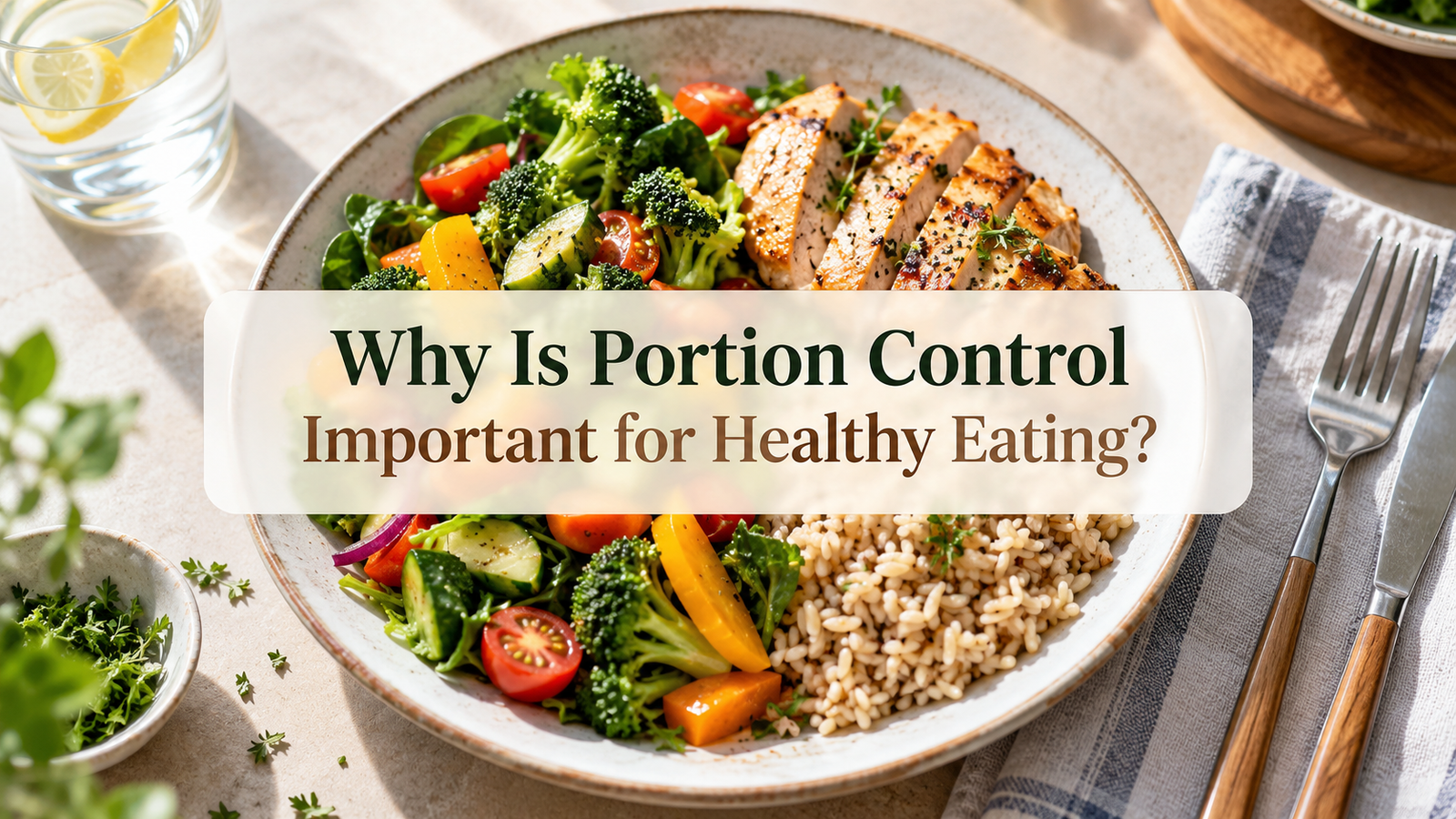
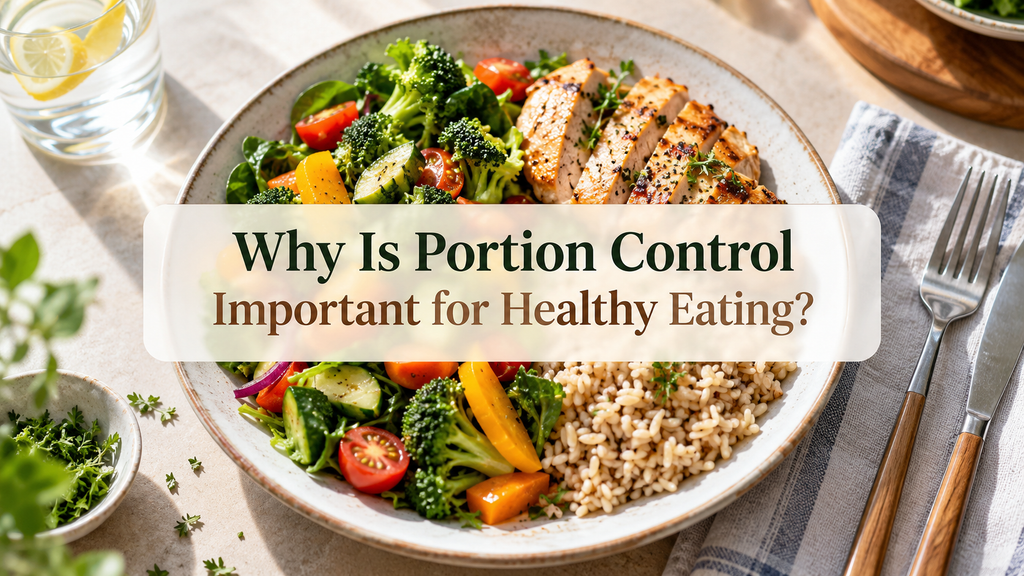
For example, a person may enjoy rice, chicken, and vegetables for lunch. Rather than filling the entire plate with rice, they can divide the plate among different food groups.
This approach allows the body to receive a variety of nutrients without depending too heavily on one type of food.
Why Is Portion Control Important for Healthy Eating?
Portion control is important because the quantity of food we consume directly affects our daily energy intake.
Every food contains a certain amount of energy, usually measured in calories. The body uses this energy for breathing, digestion, movement, physical activity, and other essential functions.
When people regularly consume more calories than their bodies use, the extra energy may contribute to weight gain.
On the other hand, eating too little can make it difficult to obtain enough nutrients and energy for normal body functions.
Portion control helps people find a balance between these two situations.
It also encourages awareness of food choices, eating patterns, and hunger signals. Over time, this awareness can support healthier eating habits.
How Portion Control Supports Healthy Weight Management
One of the main benefits of portion control is its role in healthy weight management.
Body weight is influenced by several factors, including diet, physical activity, genetics, sleep, and overall health.
The amount of food consumed is also important because larger portions often contain more calories.
For example, eating a small serving of nuts provides healthy fats, protein, and minerals. However, eating several large handfuls can significantly increase calorie intake.
The same principle applies to rice, bread, cooking oils, cheese, and many other foods.
Controlling portions can help people manage their total daily calorie intake without eliminating nutritious foods.
This makes portion control a practical habit for those who want to maintain a healthy body weight.
It is important to remember that healthy weight management should be gradual and based on balanced nutrition rather than extreme food restrictions.
The Difference Between Portion Size and Serving Size
Although the terms portion size and serving size are often used together, they have different meanings.
A serving size is a standardized amount of food used on nutrition labels or in dietary guidance.
A portion size is the actual amount of food someone chooses to eat.
For example, a food package may list a serving size of 30 grams. However, a person might eat 60 grams in one sitting.
In this situation, the person has consumed two labeled servings.
Understanding this difference helps people read food labels more accurately.
It also allows them to compare the nutritional values of different foods and estimate their calorie intake more effectively.
How Large Portions Affect Eating Habits
Large food portions have become common in many homes, restaurants, and packaged food products.
When people are served a large amount of food, they may eat more than they originally intended.
This can happen even when they are not particularly hungry.
For example, someone watching television with a large packet of snacks may continue eating simply because the food is available.
Large plates and bowls can also make generous portions appear normal.
Over time, regularly eating oversized meals may change a person’s expectations about how much food is necessary.
Choosing smaller portions when appropriate can help people become more aware of their eating habits.
The Role of Portion Control in Balanced Nutrition
Balanced nutrition means consuming a variety of foods that provide essential nutrients.
The body needs carbohydrates, proteins, fats, vitamins, minerals, fiber, and water to function properly.
Portion control makes it easier to include these nutrients in daily meals.
When one food occupies most of the plate, there may be less room for other important food groups.
For example, a meal containing a very large amount of rice but only a small quantity of vegetables and protein may lack nutritional variety.
A more balanced meal includes suitable portions of vegetables, protein foods, and carbohydrate sources.
This combination provides different nutrients and can support energy, growth, tissue maintenance, and general health.
Understanding the Healthy Plate Method
The healthy plate method is a simple way to practice portion control without weighing every ingredient.
For many adults, a useful starting point is to divide a plate into three main sections.
Half of the plate can contain vegetables and fruits, with an emphasis on vegetables. One quarter can contain protein sources such as chicken, fish, beans, eggs, or lentils. The remaining quarter can contain whole grains or other carbohydrate foods.
Small amounts of healthy fats can also be included.
This method encourages food variety and makes meal planning easier.
However, individual portion requirements vary according to age, activity level, body size, and health needs.
The plate method is a flexible guide rather than a strict rule for everyone.
How Portion Control Supports Digestive Comfort
Eating an excessively large meal can sometimes cause uncomfortable digestive symptoms.
When the stomach becomes very full, some people experience bloating, heaviness, or acid reflux.
Large meals, especially those rich in fat, may worsen digestive discomfort in certain individuals.
Eating comfortable portions can help people avoid feeling overly full.
It is also useful to eat slowly and chew food properly.
These habits allow people to pay closer attention to their appetite and recognize when they have eaten enough.
However, persistent digestive problems should not be treated through portion control alone because they may require medical evaluation.
Portion Control and Blood Sugar Management
The amount of carbohydrate consumed during a meal can influence blood sugar levels.
Carbohydrate foods include rice, bread, potatoes, fruits, milk, and many packaged products.
During digestion, carbohydrates are broken down into sugars that enter the bloodstream.
The body uses insulin to help regulate blood glucose.
For people living with diabetes, managing carbohydrate portions can be an important part of their nutrition plan.
For example, eating a moderate portion of rice alongside vegetables and protein may help create a more balanced meal than eating a very large portion of rice alone.
However, blood sugar responses depend on several factors, including the type of carbohydrate, medications, physical activity, and individual metabolism.
People with diabetes should follow personalized dietary guidance from their healthcare professionals.
Why Eating Slowly Helps With Portion Control
The speed at which a person eats can influence how much food they consume.
When meals are eaten quickly, it may be harder to recognize feelings of fullness before finishing a large amount of food.
Eating slowly provides more time to notice changes in appetite.
Simple habits can help.
These include chewing food carefully, taking small bites, and avoiding unnecessary distractions during meals.
It may also help to pause briefly during eating and ask whether hunger is still present.
These practices support mindful eating, which means paying attention to the experience of eating.
Mindful eating can make portion control feel more natural rather than restrictive.
How to Practice Portion Control at Home
Practicing portion control does not require expensive equipment or complicated meal plans.
Small changes in everyday routines can make a difference.
Using appropriately sized plates and bowls can help people serve reasonable food quantities.
Instead of eating directly from large packages, snacks can be placed in a small bowl.
Preparing meals at home also allows better control over ingredients and serving quantities.
Another useful habit is serving vegetables alongside the main meal.
Vegetables often provide fiber, water, vitamins, and minerals while contributing relatively few calories when prepared without excessive added fats.
People can also begin with a moderate portion and take more food if they remain hungry.
The goal is to respond to actual hunger rather than automatically finishing everything available.
Portion Control When Eating at Restaurants
Restaurant meals sometimes contain larger portions than people need for one sitting.
This does not mean restaurant food must be avoided.
Instead, simple choices can help manage meal quantities.
For example, a person may share a large dish with a family member or save part of the meal for later.
Choosing grilled, baked, or steamed foods can also be useful when these options fit personal preferences.
Sauces and dressings can be requested separately to make their quantities easier to manage.
It is also helpful to pay attention to hunger and fullness rather than feeling required to finish an oversized meal.
These habits allow people to enjoy restaurant food while maintaining balanced eating patterns.
Common Mistakes People Make With Portion Control
One common mistake is assuming that healthy foods can be eaten in unlimited quantities.
Foods such as nuts, avocados, olive oil, and dried fruits provide valuable nutrients, but they can also contain substantial calories.
Another mistake is skipping meals to compensate for eating too much earlier.
Skipping meals may increase hunger and lead some people to overeat later.
Some individuals also confuse portion control with strict dieting.
Healthy portion control should not create constant hunger, anxiety, or guilt around food.
A balanced approach allows flexibility, satisfaction, and occasional treats.
It is better to develop consistent eating habits than to follow extreme restrictions that are difficult to maintain.
Does Everyone Need the Same Portion Size?
Portion sizes are not identical for everyone.
A physically active adult may need more energy than someone who spends most of the day sitting.
Children and teenagers also have changing nutritional needs because their bodies are growing.
Pregnant and breastfeeding women may require additional nutrients and energy.
Older adults may have different calorie needs while still requiring sufficient protein, vitamins, and minerals.
Health conditions and medications can also affect dietary requirements.
Therefore, portion control should be adjusted to individual circumstances.
The purpose is to meet nutritional needs rather than force everyone to eat the same quantity of food.
How Portion Control Builds Long Term Healthy Habits
Healthy eating becomes easier when good habits are practiced consistently.
Portion control encourages people to think about what they eat, how much they eat, and whether they feel satisfied.
These observations can gradually improve food awareness.
People may begin noticing that certain meals keep them satisfied longer, while others leave them hungry soon afterward.
They may also discover that eating vegetables, whole grains, and protein together helps them feel comfortably full.
Over time, making thoughtful food choices can become part of everyday life.
The most effective eating habits are those that remain practical during workdays, family gatherings, celebrations, and travel.
Consistency matters more than trying to eat perfectly at every meal.
Frequently Asked Questions About Portion Control
Is portion control the same as dieting?
No. Portion control focuses on eating appropriate quantities of food, while dieting often involves following a specific eating plan. Portion control can be part of a healthy lifestyle without requiring strict food restrictions.
Can portion control help prevent overeating?
Yes. Paying attention to serving quantities and feelings of fullness may help reduce unintentional overeating. However, hunger, stress, sleep, and eating habits can also influence food intake.
Should people measure every meal?
Not necessarily. Measuring food occasionally can help people understand typical serving sizes, but everyday portion control can also be practiced using visual guides and hunger awareness.
Can children practice portion control?
Children benefit from balanced meals and age appropriate portions. However, they should not be encouraged to follow restrictive diets without professional guidance. Their hunger, growth, and development must be considered.
Is portion control more important than food quality?
Both are important. Food quality determines the nutrients provided by a meal, while portion size affects how much energy and nutrition is consumed. Healthy eating requires attention to both factors.
Conclusion
Portion control is an important part of healthy eating because it helps people balance food intake with their body’s nutritional and energy requirements.
It supports healthy weight management, encourages dietary variety, and can help reduce the habit of eating excessively large meals.
Understanding serving sizes, using the healthy plate method, eating slowly, and paying attention to hunger are practical ways to develop better eating habits.
Most importantly, portion control should not mean avoiding favorite foods or following strict restrictions. It should help people enjoy different foods in quantities that support their health and personal needs.
By combining appropriate portions with nutritious food choices and regular physical activity, people can build a balanced lifestyle that is realistic, enjoyable, and sustainable.