Food is one of the most important parts of human life. It provides energy, supports growth, strengthens the immune system, and helps the body perform its daily functions. However, food can also become a source of illness when harmful substances or microorganisms enter it. This problem is known as food contamination, and it is a major concern for public health around the world.
Food contamination can occur during farming, processing, transportation, storage, preparation, or serving. Sometimes contaminated food looks completely normal, making it difficult to recognize the danger. A person may eat unsafe food without noticing anything unusual in its appearance, smell, or taste.
Understanding how food contamination affects human health is essential for preventing illness and maintaining a healthy lifestyle. By learning about its causes, symptoms, health risks, and prevention methods, individuals can make better decisions about food safety.
What Is Food Contamination?
Food contamination occurs when harmful microorganisms, chemicals, or foreign materials enter food and make it unsafe for consumption.
Contamination can happen at almost any stage of the food supply process. For example, vegetables may come into contact with polluted water during farming. Meat may become contaminated during processing, while cooked food may collect harmful bacteria if it is stored at an unsuitable temperature.
Food contamination does not always cause immediate illness. Some contaminants produce symptoms within hours, while others may affect health after several days or through repeated exposure over a longer period.
The effects depend on the type of contaminant, the amount consumed, and the health condition of the person eating the food.
What Are the Main Types of Food Contamination?
Food contamination is generally divided into three main categories.
1. Biological Contamination
Biological contamination occurs when harmful microorganisms enter food.
These microorganisms include bacteria, viruses, parasites, and certain fungi.
Common examples include Salmonella, pathogenic strains of Escherichia coli, Campylobacter, and norovirus.
These organisms may enter food through contaminated water, unclean hands, raw meat, poorly washed vegetables, or unsafe food preparation methods.
Biological contamination is a common cause of foodborne illness.
2. Chemical Contamination
Chemical contamination happens when potentially harmful chemical substances enter food.
Examples include pesticide residues, certain cleaning chemicals, heavy metals, and contaminants introduced during processing or storage.
Some chemicals can cause immediate health problems when consumed in sufficient amounts. Others may create health risks through repeated exposure over time.
Proper farming practices, food testing, and safe storage help reduce chemical contamination.
3. Physical Contamination
Physical contamination occurs when unwanted objects enter food.
These objects may include glass fragments, metal pieces, plastic particles, stones, or other foreign materials.
Unlike biological contamination, physical contamination can cause direct injuries.
For example, a sharp piece of glass in food may injure the mouth or digestive tract.
Careful food handling and quality control are important for preventing these hazards.
How Does Contaminated Food Enter the Human Body?
The most common way food contaminants enter the human body is through eating or drinking.
When a person consumes contaminated food, harmful microorganisms or substances travel through the digestive system.
Some microorganisms survive the acidic environment of the stomach and reach the intestines. There, they may multiply, produce toxins, or damage intestinal tissues.
Certain microorganisms can also spread beyond the digestive system and cause more serious infections.
Chemical contaminants behave differently depending on their properties. Some are absorbed into the bloodstream and processed by the liver or kidneys. Others may accumulate in particular tissues when exposure continues.
The human body has several protective mechanisms, including stomach acid, digestive enzymes, and immune defenses. However, these systems cannot always prevent illness caused by contaminated food.
How Does Food Contamination Affect the Digestive System?
The digestive system is often the first part of the body affected by food contamination.
Foodborne infections and toxins can disturb normal digestion and cause inflammation in the stomach or intestines.
Common digestive symptoms include:
- Nausea
- Vomiting
- Diarrhea
- Stomach cramps
- Abdominal discomfort
- Loss of appetite
These symptoms may begin within a few hours or take several days to develop, depending on the cause.
Diarrhea and vomiting can also lead to dehydration because the body loses water and important minerals.
Most mild foodborne illnesses improve with appropriate supportive care. However, severe or persistent symptoms may require medical attention.
Can Food Contamination Cause Food Poisoning?
Food poisoning is a common term used for illness caused by consuming contaminated food or drinks.
It may develop because of harmful bacteria, viruses, parasites, or toxins already present in food.
For example, improperly cooked poultry may contain Salmonella or Campylobacter. Food handled by an infected person may spread norovirus, particularly when proper handwashing practices are not followed.
Some bacteria can produce toxins in food before it is eaten. These toxins may cause illness even when the bacteria are no longer alive.
Food poisoning can affect people differently. One person may experience mild stomach discomfort, while another may develop severe diarrhea, dehydration, or complications.
The seriousness of the illness depends on the contaminant and the individual’s health.
How Does Food Contamination Affect the Immune System?
The immune system protects the body against harmful microorganisms.
When contaminated food introduces pathogens into the digestive tract, the immune system responds by recognizing and fighting the infection.
This response may cause symptoms such as fever, tiredness, inflammation, and body discomfort.
These symptoms often occur because the body is attempting to control the infection.
However, some foodborne infections can become serious, especially in people with weaker immune defenses.
Older adults, young children, pregnant women, and people with certain medical conditions may face greater risks.
Repeated infections may also affect nutritional health when illness interferes with normal eating and nutrient absorption.
Maintaining food hygiene is therefore an important way to reduce unnecessary exposure to harmful pathogens.
Can Contaminated Food Damage Internal Organs?
Although many foodborne illnesses mainly affect the digestive system, certain contaminants can harm other organs.
The liver and kidneys are particularly important because they help process and remove substances from the body.
Some chemical contaminants can damage these organs when exposure is high enough or continues over time.
Certain foodborne infections can also lead to serious complications.
For example, some strains of E. coli produce toxins that may trigger hemolytic uremic syndrome, a condition that can damage the kidneys.
Listeria infection can become invasive and affect the bloodstream or nervous system, especially in people at higher risk.
These complications are less common than mild digestive symptoms, but they demonstrate why food safety should be taken seriously.
What Are the Long Term Health Effects of Food Contamination?
Not every health effect of contaminated food appears immediately.
Some food contaminants may create problems after repeated exposure or following a serious infection.
Certain heavy metals and environmental chemicals may affect the nervous system, kidneys, or other organs over time.
Some naturally occurring fungal toxins, known as mycotoxins, can also present long term health risks. For example, prolonged exposure to aflatoxins is associated with an increased risk of liver cancer.
Infections may occasionally cause lasting complications, including reactive arthritis after certain bacterial infections.
The actual level of risk depends on the specific substance, its concentration, exposure duration, and individual susceptibility.
This is why food safety requires attention not only to visible cleanliness but also to farming standards, testing, and proper food storage.
Why Are Children More Vulnerable to Food Contamination?
Children can be more vulnerable to foodborne illnesses because their bodies are still developing.
Young children may become dehydrated more quickly when experiencing diarrhea or vomiting.
Their smaller body size can also make certain contaminant exposures more significant.
Repeated intestinal infections may interfere with nutrient absorption and contribute to poor nutritional outcomes, especially where access to safe food, clean water, and medical care is limited.
Good hygiene practices at home and school are therefore essential.
Parents and caregivers should ensure that children’s meals are prepared using clean utensils, safe water, and properly cooked ingredients.
Extra care is particularly important when preparing milk, infant formula, and meals for very young children.
How Does Food Contamination Affect Pregnant Women?
Food safety becomes especially important during pregnancy because some foodborne infections can affect both the pregnant woman and the developing baby.
Listeria is one example of a microorganism that can cause serious pregnancy complications, even when the pregnant woman experiences only mild symptoms.
Certain infections may increase the risk of miscarriage, premature birth, or serious illness in newborns.
Pregnant women are generally advised to avoid unpasteurized dairy products, undercooked meat, and other foods considered high risk.
They should also follow safe storage practices and thoroughly wash fresh produce.
Choosing properly prepared food helps protect maternal health and supports a safer pregnancy.
What Causes Food Contamination at Home?
Many food contamination incidents occur because of ordinary mistakes during food preparation or storage.
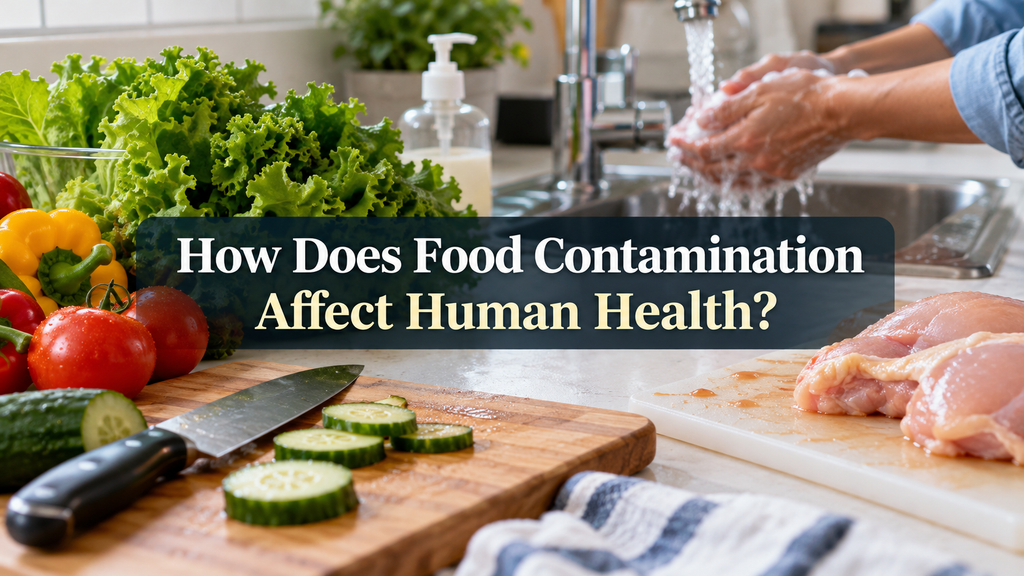
One common cause is inadequate handwashing before handling food.
Another is using the same cutting board or knife for raw meat and ready to eat foods without proper cleaning.
This practice can transfer harmful microorganisms from one food item to another. It is called cross contamination.
Leaving perishable food at room temperature for too long can also allow bacteria to multiply.
Improper refrigeration, insufficient cooking, and using unsafe water are additional causes.
Even a clean looking kitchen may contain contamination risks if food handling practices are careless.
Understanding these everyday mistakes is an important step toward preventing foodborne illness.
How Can Proper Cooking Prevent Food Contamination?
Cooking is one of the most effective ways to reduce harmful microorganisms in food.
Heat can destroy many bacteria, viruses, and parasites when food reaches an appropriate internal temperature.
However, the required cooking temperature depends on the type of food.
Poultry, for example, should reach an internal temperature of 74°C or 165°F.
A food thermometer provides a more reliable indication of safe cooking than judging food by its color or appearance.
It is also important to remember that cooking does not remove every hazard. Some bacterial toxins and chemical contaminants may remain in food after heating.
For this reason, safe cooking must be combined with proper storage, cleanliness, and careful ingredient selection.
How Does Food Storage Influence Human Health?
Food storage plays a major role in preventing contamination and bacterial growth.
Perishable foods should generally be refrigerated at 4°C or below.
Freezers should be maintained at approximately minus 18°C or below.
Prepared foods should not be left at room temperature for extended periods.
As a general rule, perishable food should be refrigerated within two hours, or within one hour when the surrounding temperature exceeds 32°C.
Raw meat should be stored separately from ready to eat foods to prevent cross contamination.
Covered containers also help protect food from insects, dust, and accidental contact with contaminants.
Proper storage helps preserve food quality while reducing the risk of illness.
What Is the Role of Clean Water in Food Safety?
Clean water is essential for growing, washing, preparing, and cooking food.
Contaminated water may contain harmful bacteria, viruses, parasites, or chemicals.
When unsafe water is used to wash vegetables, prepare drinks, or clean cooking equipment, these contaminants may enter food.
Unsafe irrigation water can also introduce pathogens during agricultural production.
Using a reliable source of safe drinking water helps reduce these risks.
Where water safety is uncertain, appropriate treatment methods should be used before drinking or preparing food.
Boiling can kill many disease causing microorganisms, but it does not reliably remove chemical contamination.
Safe water and hygienic food preparation work together to protect human health.
How Can We Prevent Food Contamination in Daily Life?
Preventing food contamination does not always require expensive equipment or complicated methods.
Simple habits can make a meaningful difference.
Important food safety practices include:
- Wash hands thoroughly with soap and water before preparing or eating food.
- Keep kitchen surfaces, knives, and utensils clean.
- Separate raw meat from cooked and ready to eat foods.
- Cook foods to safe internal temperatures.
- Refrigerate perishable foods promptly.
- Use safe drinking water for cooking and washing produce.
- Wash fruits and vegetables under clean running water.
- Avoid consuming food with damaged packaging or signs of spoilage.
- Check expiration and storage instructions on packaged products.
- Purchase food from suppliers that follow proper hygiene practices.
It is important to remember that contaminated food does not always smell bad or look spoiled.
Following preventive practices is more reliable than depending only on appearance.
When Should Someone Seek Medical Help?
Many mild foodborne illnesses improve without specific treatment, but some symptoms require professional medical evaluation.
Medical attention is important when a person experiences bloody diarrhea, severe abdominal pain, persistent high fever, or symptoms of dehydration.
Warning signs of dehydration include very little urination, dizziness, unusual weakness, and a very dry mouth.
Frequent vomiting that prevents a person from keeping fluids down is another reason to seek medical care.
Young children, older adults, pregnant women, and people with weakened immune systems should receive medical advice promptly when concerning symptoms appear.
People with diarrhea or vomiting should replace lost fluids when they can safely drink. Oral rehydration solution may be helpful in many cases.
Severe illness should never be ignored.
Why Is Food Safety Education Important for Society?
Food safety is not only a personal responsibility. It is also an important public health issue.
Unsafe food can affect families, schools, restaurants, hospitals, and entire communities.
When many people consume contaminated food from the same source, an outbreak may occur.
Food safety education helps people understand how contamination happens and how common mistakes can be prevented.
Schools can teach students basic hygiene, while public health organizations can provide guidance about safe cooking and storage.
Food businesses also have an important responsibility to train workers and maintain hygienic conditions.
Government monitoring, food inspections, and appropriate safety standards support these individual efforts.
A society that values food safety can reduce preventable illnesses and protect vulnerable populations.
Conclusion
Food contamination can affect human health in many ways, from mild digestive discomfort to severe infections and long term health complications. Harmful microorganisms, chemicals, and foreign materials may enter food during production, storage, preparation, or serving.
The digestive system is commonly affected, but certain contaminants can also harm the kidneys, liver, nervous system, and other organs. Children, pregnant women, older adults, and people with weakened immune systems may face greater risks.
Fortunately, many foodborne illnesses can be prevented through proper hygiene, safe cooking temperatures, careful storage, and the use of clean water.
Understanding how food contamination affects human health encourages people to make safer choices in everyday life. Food safety is not simply about keeping meals fresh. It is about protecting the body, preventing avoidable diseases, and supporting healthier communities.
When safe food practices become part of daily routines, they contribute to better health and a stronger foundation for overall well being.