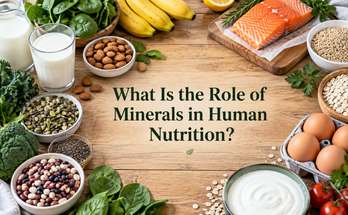
Carbohydrates are one of the main nutrients that the human body needs for energy. They are found in many everyday foods, including rice, bread, fruits, vegetables, milk, potatoes, and cereals. When we eat carbohydrate rich foods, our digestive system breaks down digestible carbohydrates into simple sugars that the body can absorb and use for energy.
However, not all carbohydrates have the same structure or nutritional value. Some carbohydrates contain only one or two sugar units, while others are made of long chains of sugar units. This structural difference is the main reason carbohydrates are divided into two categories: simple carbohydrates and complex carbohydrates.
Understanding the difference between simple and complex carbohydrates can help us make better food choices and develop healthier eating habits. Both types can be part of a balanced diet, but their effects on digestion, blood sugar, and overall health depend on several factors, including fiber content, food processing, and portion size.
In this article, we will explore what simple and complex carbohydrates are, how they work inside the body, their food sources, and their importance in daily nutrition.
What Are Carbohydrates?
Carbohydrates are nutrients made mainly from carbon, hydrogen, and oxygen. Along with proteins and fats, they belong to a group of nutrients called macronutrients.
The primary function of digestible carbohydrates is to provide energy to the body. During digestion, many carbohydrates are broken down into glucose, a simple sugar that enters the bloodstream and provides fuel for cells.
Glucose is particularly important for the brain, nervous system, and muscles. The body carefully regulates blood glucose levels to ensure that cells receive a steady energy supply.
Carbohydrates are naturally present in many plant foods. They are also found in dairy products and numerous processed foods.
From a nutritional perspective, carbohydrates are commonly classified as simple or complex according to their chemical structure.
What Are Simple Carbohydrates?
Simple carbohydrates are sugars made of one or two sugar units. Because of their smaller chemical structure, many can be digested and absorbed relatively quickly.
Simple carbohydrates occur naturally in foods such as fruits, milk, and some vegetables. They are also present in products containing added sugars, including candies, sweetened beverages, cakes, and biscuits.
There are two main types of simple carbohydrates.
1. Monosaccharides
Monosaccharides are the smallest carbohydrate units. They cannot be broken down into smaller carbohydrates through ordinary digestion.
Common examples include glucose, fructose, and galactose.
Glucose is an important energy source for the body. Fructose occurs naturally in fruits and honey, while galactose forms part of lactose, the sugar found in milk.
2. Disaccharides
Disaccharides contain two sugar units joined together.
Common examples include sucrose, lactose, and maltose.
Sucrose is ordinary table sugar. Lactose is naturally found in milk and dairy products. Maltose can occur during the breakdown of starch and in certain grain products.
Before absorption, digestive enzymes generally separate disaccharides into individual sugar units.
What Are Complex Carbohydrates?
Complex carbohydrates consist of longer chains of sugar units. These carbohydrates include starches and dietary fiber.
Starch is found in foods such as rice, wheat, potatoes, oats, corn, and beans. During digestion, enzymes break starch into smaller molecules that can eventually be absorbed as glucose.
Fiber is different because human digestive enzymes cannot fully break it down. Some types of fiber are fermented by bacteria in the large intestine, while others pass through the digestive system with relatively little change.
Complex carbohydrates are often associated with whole grains, vegetables, and legumes. These foods can supply valuable nutrients such as vitamins, minerals, and fiber.
However, a carbohydrate being complex does not automatically make it healthier. Refined starches, including those in some white breads and processed snacks, are also complex carbohydrates.
The nutritional quality of the complete food is more important than carbohydrate structure alone.
Main Differences Between Simple and Complex Carbohydrates
Although both types provide carbohydrates to the body, they differ in chemical structure, common food sources, and sometimes their effects on digestion.
| Feature | Simple Carbohydrates | Complex Carbohydrates |
|---|---|---|
| Structure | One or two sugar units | Long chains of sugar units |
| Main types | Monosaccharides and disaccharides | Starches and fiber |
| Common sources | Fruits, milk, sugar, sweets | Grains, beans, potatoes, vegetables |
| Digestion | Often relatively quick | Varies with structure and food processing |
| Fiber content | Depends on the whole food | Some sources are rich in fiber |
| Blood sugar effects | Depend on the food and portion | Depend on fiber, processing, and starch type |
| Nutritional value | Can be high or low | Can be high or low |
One important point is that the terms simple and complex describe chemical structure rather than the overall health benefits of a food.
For example, whole fruit contains natural simple sugars but also provides water, fiber, and vitamins. White bread contains mostly starch, a complex carbohydrate, but may have relatively little fiber.
How Does the Body Digest Carbohydrates?
Carbohydrate digestion begins in the mouth.
When we chew food, saliva mixes with it. An enzyme called salivary amylase starts breaking down certain starches into smaller carbohydrate molecules.
The food then moves into the stomach, where acidic conditions reduce the activity of salivary amylase.
Most carbohydrate digestion continues in the small intestine.
The pancreas releases digestive enzymes that help break down starch. Other enzymes located along the intestinal lining separate certain sugars into individual units.
These smaller sugars are absorbed into the bloodstream.
After carbohydrate consumption, blood glucose levels may rise. The pancreas responds by releasing insulin, a hormone that helps many body cells take up glucose and supports its storage.
The liver and muscles can store some glucose as glycogen for later use.
Carbohydrate digestion is influenced by the food’s physical structure, fiber content, cooking method, and other nutrients eaten during the meal.

How Do Simple Carbohydrates Affect Blood Sugar?
Some foods containing simple carbohydrates can raise blood glucose quickly, especially when they contain substantial amounts of added sugar and little fiber.
For example, drinking a sugary soft drink delivers dissolved sugars without the fiber found in whole fruit.
However, not all simple carbohydrates cause the same blood sugar response.
Whole fruits contain natural sugars alongside fiber, water, and other nutrients. Milk contains lactose together with protein and minerals.
These foods can behave differently from sugary drinks or sweets.
The quantity consumed also matters. Eating a small portion of a sugary food has a different effect from consuming a large amount.
Therefore, it is more useful to consider the entire food rather than assuming that all simple carbohydrates are unhealthy.
How Do Complex Carbohydrates Affect Blood Sugar?
Complex carbohydrates can provide energy over different periods, depending on how quickly their starch is digested.
Foods such as beans, lentils, and minimally processed whole grains often contain fiber and structures that slow digestion.
This can lead to a more gradual rise in blood glucose compared with certain highly processed carbohydrate foods.
However, some starch rich foods are digested quickly.
For example, refined white bread and some highly processed cereals may raise blood sugar rapidly, even though their carbohydrates are chemically complex.
Food preparation also influences digestion. Grinding grains into fine flour or cooking starch in different ways can change how readily digestive enzymes access it.
For this reason, complex carbohydrates should not automatically be described as slow digesting.
Healthy Sources of Simple Carbohydrates
Simple carbohydrates are not always something we need to avoid. Many nutritious foods naturally contain simple sugars.
Fresh Fruits
Apples, oranges, bananas, grapes, and berries contain natural sugars along with fiber, water, and beneficial plant compounds.
Eating whole fruits regularly can contribute to a balanced diet.
Milk and Plain Yogurt
Milk contains lactose, a naturally occurring sugar. It also provides nutrients such as calcium, protein, and vitamin B12.
Plain yogurt can be a nutritious choice, particularly when it contains no added sugar.
Vegetables
Certain vegetables naturally contain small amounts of sugars.
Carrots, onions, tomatoes, and beetroot are examples. They also contain other nutrients that contribute to a healthy diet.
These foods demonstrate that the presence of simple carbohydrates does not determine whether a food is nutritious.
Healthy Sources of Complex Carbohydrates
Many foods containing complex carbohydrates provide valuable nutrients and support healthy eating patterns.
Whole Grains
Whole wheat, oats, brown rice, barley, and other whole grains contain starch and varying amounts of dietary fiber.
Whole grains also provide important vitamins and minerals.
Beans and Lentils
Beans, lentils, and chickpeas contain complex carbohydrates, plant protein, fiber, and several essential nutrients.
They can be included in soups, salads, curries, and other everyday meals.
Vegetables
Potatoes, sweet potatoes, peas, and corn provide starch along with other nutrients.
Their nutritional value depends partly on cooking methods and accompanying ingredients.
Whole Grain Bread
Bread made with whole grain flour generally retains more fiber than bread produced from highly refined flour.
Checking ingredient labels can help identify products made primarily from whole grains.
Why Is Dietary Fiber Important?
Dietary fiber is an important component of many carbohydrate rich foods.
Unlike digestible starch and sugars, fiber is not fully broken down by human digestive enzymes.
Fiber helps support normal bowel function and contributes to digestive health.
Some types of soluble fiber can help lower LDL cholesterol, while certain fibers can slow glucose absorption.
Fiber rich foods may also increase fullness after meals, which can help with appetite management.
Good sources include oats, legumes, vegetables, fruits, seeds, and whole grains.
Increasing fiber gradually and drinking adequate fluids can help reduce digestive discomfort when changing eating habits.
Are Simple Carbohydrates Bad for Health?
Simple carbohydrates are not inherently harmful.
The main concern is frequent consumption of foods and drinks containing large amounts of added or free sugars, particularly when these replace more nutritious foods.
Sugary beverages, sweets, and desserts can contribute substantial calories while supplying relatively few essential nutrients.
Frequent sugar exposure also increases the risk of dental cavities.
On the other hand, naturally occurring sugars in whole fruits and unsweetened dairy products come within foods that provide additional nutritional benefits.
A healthy diet can include simple carbohydrates, especially when they come from nutritious foods.
The goal is not to eliminate sugar completely but to make sensible choices about its sources and quantity.
Are Complex Carbohydrates Better for Weight Management?
Complex carbohydrate foods can support weight management when they are part of a balanced eating pattern.
Fiber rich foods often increase fullness and may make it easier to manage hunger.
For example, meals containing lentils, vegetables, and whole grains may be more satisfying than meals dominated by refined starches and sugary drinks.
However, weight management depends on overall energy intake, physical activity, eating habits, and individual health factors.
Eating large portions of calorie rich foods can contribute to weight gain regardless of whether they contain simple or complex carbohydrates.
Choosing nutrient dense foods and appropriate portions is more important than following a single carbohydrate rule.
How Much Carbohydrate Does the Body Need?
Carbohydrate requirements vary according to age, activity level, overall health, and individual energy needs.
General dietary guidance commonly recommends that adults obtain approximately 45 to 65 percent of their daily calories from carbohydrates.
For a person consuming 2,000 calories daily, this corresponds to approximately 225 to 325 grams of carbohydrates.
However, this range is general guidance rather than a fixed requirement for every individual.
The quality of carbohydrate sources matters significantly.
Whole grains, fruits, vegetables, and legumes are usually better everyday choices than foods containing large amounts of refined starch and added sugar.
People with diabetes or other medical conditions may need individualized carbohydrate guidance from a qualified healthcare professional.
How to Choose Better Carbohydrates Every Day
Making healthier carbohydrate choices does not require complicated dietary rules.
A few practical habits can improve the nutritional quality of daily meals.
1. Choose whole fruits instead of frequently drinking sweetened fruit beverages.
2. Include whole grains such as oats, whole wheat, and brown rice when practical.
3. Eat beans, lentils, and vegetables regularly to increase fiber intake.
4. Limit frequent consumption of sugary soft drinks and heavily sweetened snacks.
5. Check packaged food labels for added sugar and fiber content.
6. Combine carbohydrate rich foods with suitable sources of protein and healthy fats.
7. Pay attention to portion sizes and overall dietary balance.
These habits can help provide energy while supporting long term nutritional health.
Common Misunderstandings About Carbohydrates
One common misunderstanding is that all simple carbohydrates are unhealthy.
This is incorrect because fruits and milk contain simple sugars while also offering important nutrients.
Another misunderstanding is that all complex carbohydrates digest slowly.
In reality, some refined starches are absorbed relatively quickly, depending on their structure and preparation.
Some people also believe that avoiding carbohydrates completely is necessary for weight loss.
However, carbohydrates can remain part of a healthy weight management diet when food quality and portions are considered.
Understanding these differences helps prevent unnecessary food restrictions.
Frequently Asked Questions
What is the main difference between simple and complex carbohydrates?
The main difference is their chemical structure. Simple carbohydrates contain one or two sugar units, while complex carbohydrates consist of longer chains of sugar units.
Which type of carbohydrate provides more energy?
Digestible simple and complex carbohydrates generally provide approximately four calories per gram. The amount and rate of energy availability depend on the carbohydrate and the complete food.
Is rice a simple or complex carbohydrate?
Rice contains mostly starch, which is a complex carbohydrate. Brown rice generally contains more fiber than white rice because it retains more of the grain’s outer layers.
Is fruit a source of simple carbohydrates?
Yes. Fruits naturally contain simple sugars such as fructose and glucose. Whole fruits also provide fiber, vitamins, minerals, and water.
Should people avoid simple carbohydrates completely?
No. Foods containing naturally occurring simple sugars can be part of a healthy diet. Limiting excessive added sugar is generally more useful than avoiding all simple carbohydrates.
Conclusion
Understanding the difference between simple and complex carbohydrates is an important part of learning about nutrition.
Simple carbohydrates contain one or two sugar units, while complex carbohydrates are made of longer chains of sugar units. Both can contribute to the body’s energy needs, but their effects vary according to the food source, fiber content, processing, and portion size.
Whole fruits, plain dairy products, vegetables, legumes, and whole grains can all contribute valuable nutrients to a balanced diet.
Instead of judging foods only by whether their carbohydrates are simple or complex, it is better to consider their overall nutritional quality.